
Reviewed · KAMPALA TOURS
Kampala: Private Guided City Tour with vehicle Transfers
Kampala reveals itself best through its royal compounds, sacred sites, busy markets, and sharply different hills. This private day brings those pieces together, from the Buganda Kingdom’s Kabaka’s Palace and Kasubi Tombs to the sweeping city view from Gaddafi Mosque. An air-conditioned vehicle keeps the heat and traffic manageable.
I like the freedom to adjust the route, especially if you want more time at cultural sites or a short stop in downtown Kampala. I also like the human touch of a local Ugandan lunch, bottled water, and a private guide who can explain what you are seeing instead of leaving you to read signs. The main drawback is the price: at $170 per person, this is a serious outlay, especially for one person, though it becomes better value when shared by two or more people.
Key points to know before you book
- Royal Kampala comes first: Kabaka’s Palace and the Kasubi Tombs give you a clear introduction to Buganda’s living traditions and painful political past.
- The private vehicle matters: You move between widely separated hills and districts in an air-conditioned car rather than arranging several rides yourself.
- Gaddafi Mosque offers the city view: The minaret gives you a broad look across Kampala, along with striking Arab, African, and European design.
- Faith is central to the route: The Bahá’í Temple and the Catholic and Anglican shrines at Namugongo show Uganda’s varied religious life.
- You can shape the day: The itinerary is customizable, with optional downtown Kampala and the ability to change the pace or focus.
- Guiding is a strong point: Pius has been praised for helpful explanations, while Sharif has been described as friendly, a safe driver, and careful with the clean, comfortable car.
Why this private Kampala tour works
Kampala is not a city you understand from one landmark. Its story is spread across hills, royal grounds, memorial gardens, mosques, churches, markets, and ordinary streets. This tour works because it links those pieces in one private outing.
You are not simply checking off monuments. At the palace, you meet Buganda’s royal story. At the tombs, you see how architecture and ritual preserve that story. At Namugongo, you encounter a national religious memory that still draws huge crowds each June 3. At the craft market, you get a more everyday view of local work and commerce.
The private format gives you room to ask questions and slow down. If one site catches your attention, you can request more time. If you prefer a wider overview, you can move on and fit in another stop. That flexibility is more useful here than on a fixed group outing because the sites cover several parts of Kampala and nearby areas.
The tour is conducted in English. Pius and Sharif are names connected with past bookings, but your assigned guide may differ. The useful pattern to look for is a guide who can combine site facts with practical help in traffic, timing, and local customs.
More things to do in Kampala:
- Kampala’s Best Experience walking tour
★ 5.0 · 137 reviews - Kampala Walking City Tours (Women Guided)
★ 5.0 · 115 reviews - Kampala Walking Tour (3 Hours) with Optional Gaddafi Mosque Visit
★ 5.0 · 112 reviews
Bagala Craft Market and the first look at local life
Bagala Craft Market is a good opening stop because it puts you among locally made goods before the day turns toward formal monuments. You can browse crafts, jewelry, textiles, and souvenirs, and meet artisans connected with the work.
I would treat this as a place to look carefully rather than rush toward the first item you see. The market gives you a chance to ask your guide about materials, local styles, and what makes a useful purchase. Souvenirs are not included in the price, so anything you buy is extra.
The market may be the most relaxed part of the route. It is also one of the places where the experience depends on your own interest. If shopping is not a priority, ask to keep this stop brief and use the saved time at a historical or religious site.
Independence Monument and World War Memorial
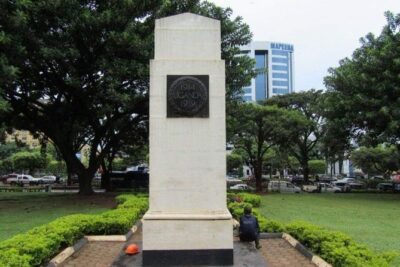
The Independence Monument commemorates Uganda’s independence from British rule in 1962. Nearby, the World War Memorial, built in 1945, honors Ugandans who served in the World Wars.
Both monuments sit in a garden setting, giving you a calmer pause between Kampala’s busier sights. They help place the city within Uganda’s modern political story. The independence monument points to the end of colonial rule, while the war memorial recalls Uganda’s connection to global conflicts before independence.
The nearby Constitutional Square adds another layer to the stop. I would not expect a long visit here, but it is worth taking time for your guide’s explanation. Without context, monuments can become quick photo stops. With a local account, they show how Uganda remembers its political past.
Gaddafi Mosque on Old Kampala Hill
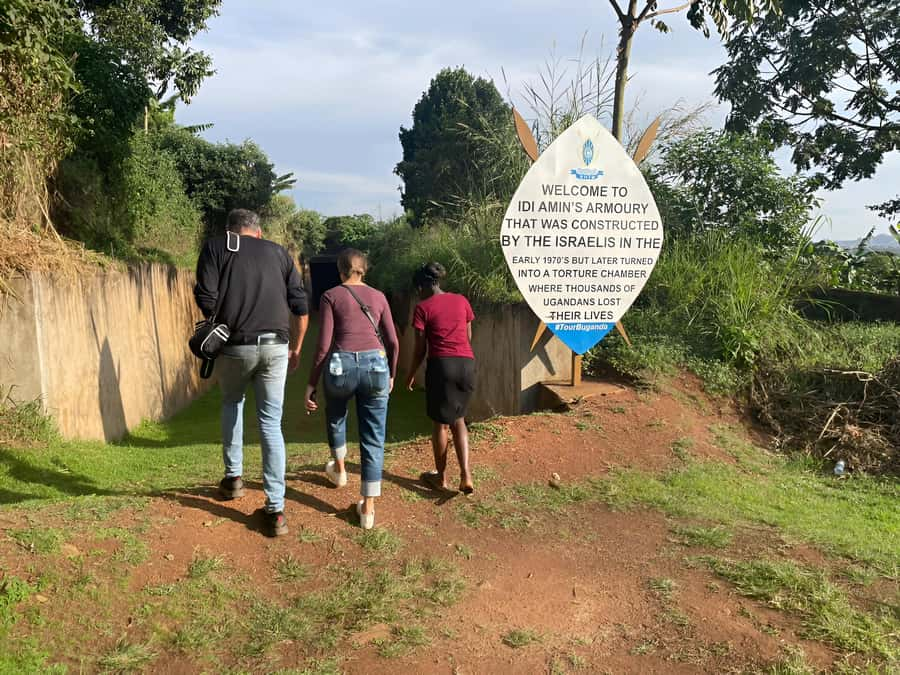
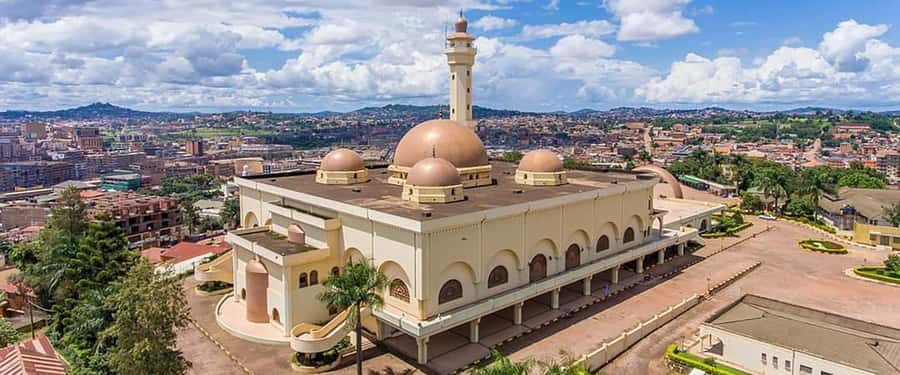
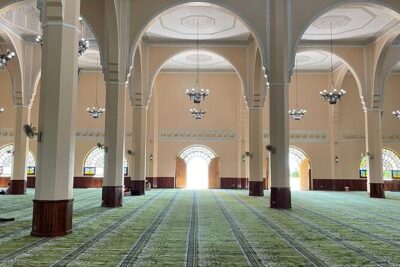
Gaddafi Mosque is one of the route’s strongest stops. Set on Old Kampala Hill, it is the largest mosque in East Africa and combines Arab, African, and European design elements.
The building’s interior details give you something to look at beyond the scale of the structure. Islamic decoration and the mosque’s formal design make it a visual change from the royal and colonial sites earlier in the day.
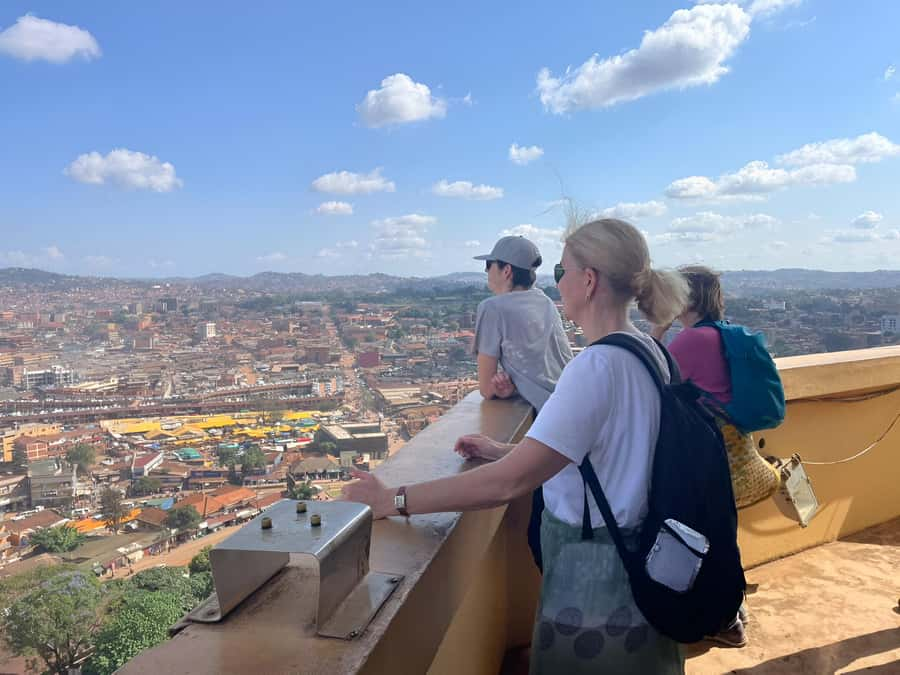
The major reward is the minaret. From above, you can look across Kampala and understand how the city spreads across its hills. This is especially helpful early in your visit because it gives you a sense of the city’s shape and density.
Dress and behave respectfully at a place of worship, and follow your guide’s instructions. The mosque is not just a viewpoint or an architectural stop. It is an active religious site, so the tone should be quiet and considerate.
A few more Kampala trips to weigh up
- Private 3 Day Gorilla Trekking Safari in Uganda
★ 5.0 · 36 reviews - 3 Day Private safari to Murchison Falls National Park with Big Five Experience
★ 5.0 · 21 reviews - Private Whitewater Tubing in Bujagali Hydropower Plant
★ 5.0 · 21 reviews - Private 3-Day Tour in Queen Elizabeth Park Safari
★ 5.0 · 17 reviews
Kabaka’s Palace and Buganda’s royal past
Kabaka’s Palace is the official residence of the King of Buganda, the largest traditional kingdom in Uganda. This is where the tour moves from national history to the identity of the Buganda people.
Your guide can explain the kingdom’s traditions, political role, and long story. The palace also carries difficult memories from Idi Amin’s regime. That contrast matters. You see a place linked to royal continuity, but also to a period of fear and political repression.
I like this stop because it helps explain why Buganda remains so important to Uganda’s cultural life. A quick palace visit without context can feel abstract. With a guide, the grounds connect present-day traditions with Uganda’s changing political order.
Give yourself time to listen here. The most useful part may not be the building itself, but the explanation of what the palace represents. You are seeing more than an old royal residence. You are seeing a place where culture, authority, and national politics meet.
Kasubi Tombs and traditional Ganda architecture
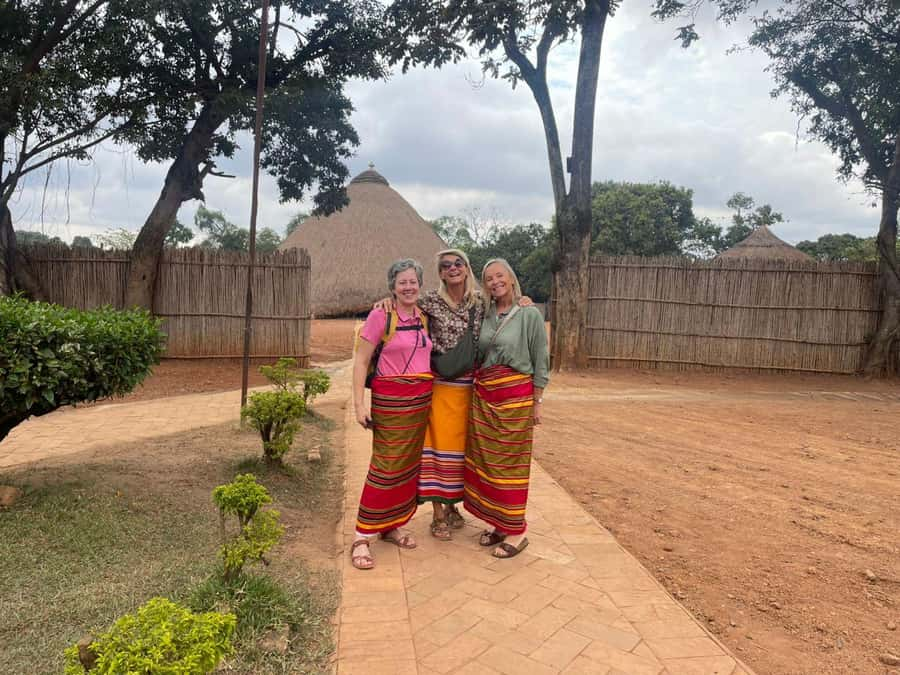
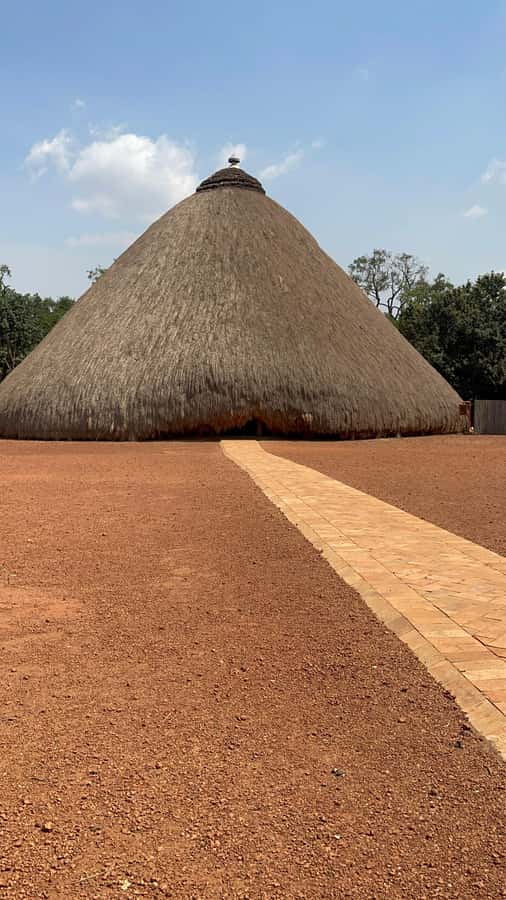
The Kasubi Tombs are a UNESCO World Heritage Site and the sacred burial grounds of Buganda’s kings. The main structure, Muzibu Azaala Mpanga, is made from organic materials and reflects traditional Ganda building methods.
This is one of the most culturally important stops on the route. The tombs are not simply an architectural curiosity. They remain a sacred place connected to the Buganda kingdom, so your guide’s explanation and your conduct both matter.
The use of organic materials gives the structure a very different character from the concrete mosque, modern memorials, and formal palace buildings elsewhere on the tour. I would pay attention to the construction details and the way the site links the natural world with royal remembrance.
Because the tombs carry religious and royal meaning, this is not a stop for loud conversation or a rushed photograph. Let the guide set the pace. The value here comes from understanding why the site continues to matter, not from spending only a few minutes at the entrance.
Bahá’í Temple on Kikaaya Hill
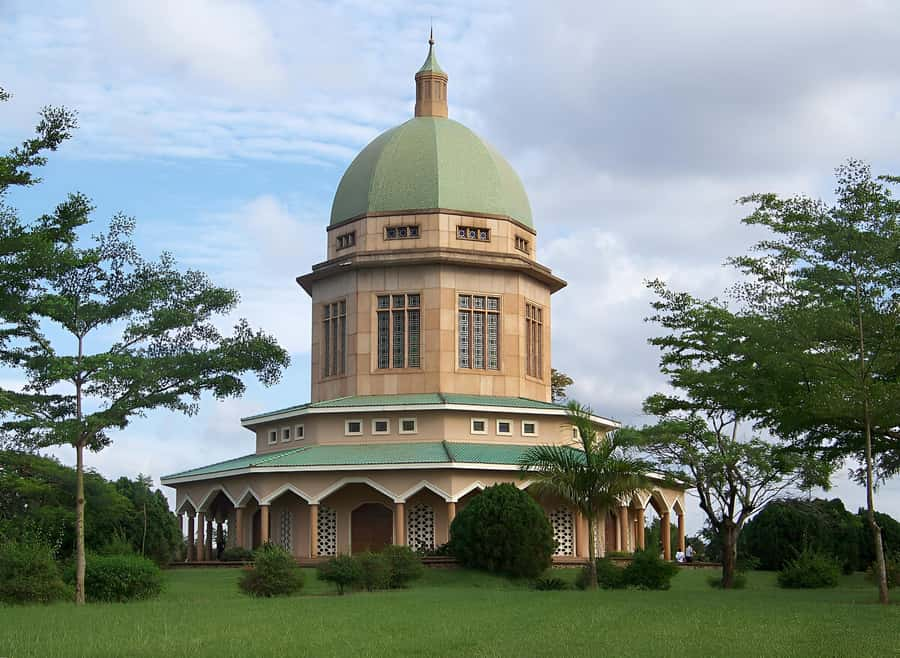
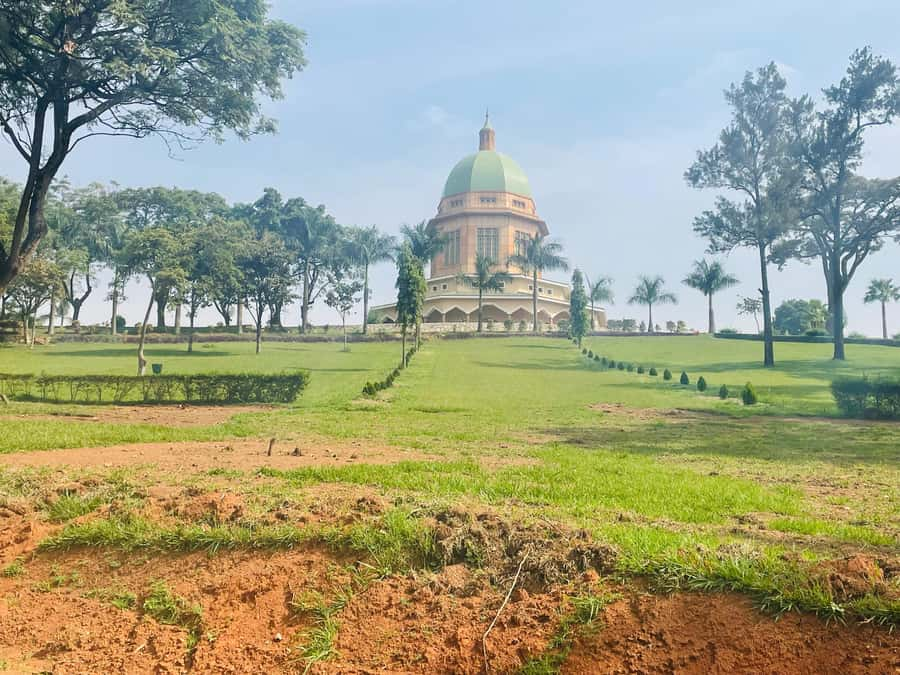
The Bahá’í Temple sits on the slopes of Kikaaya Hill and is the only Bahá’í temple on the African continent. Its dome and surrounding gardens create a quieter break from the city’s roads and traffic.
The temple welcomes people of all faiths. You can use the stop for reflection, a look at the building’s design, or a walk through the peaceful grounds. The Bahá’í ideals of unity and peace are central to the site, making it different in tone from the palace, mosque, and martyr shrines.
This is a good place to tell your guide what kind of day you want. If you enjoy gardens, architecture, and calm spaces, ask for enough time here. If your main interest is political history or markets, you may prefer to keep the stop shorter.
Namugongo’s Catholic and Anglican shrines
The Namugongo Martyrs Shrines are among the most important religious sites on the itinerary. The Catholic and Anglican shrines are only a short walk apart, but each honors a distinct group of Christian martyrs.
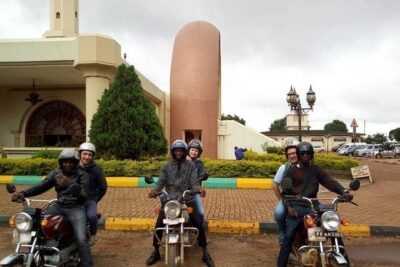
The Catholic Shrine marks the place where St. Charles Lwanga and his companions were killed. Its hut-shaped basilica is supported by 22 pillars and becomes a major pilgrimage site every June 3, when millions come for the annual commemoration.
The nearby Anglican Shrine honors 23 Anglican martyrs. It includes a modern amphitheater, an educational museum, and sacred springs. Together, the two sites show how Catholic and Anglican traditions are both part of Uganda’s religious identity.
Plan to give this part of the tour proper attention. The buildings are striking, but the story matters more than the architecture. A guide can help you understand the events behind the shrines and the place they hold in Uganda’s public memory.
The shrines also bring a different kind of visit. You are moving through active sacred spaces, not just museum grounds. Keep your voice low, dress respectfully, and ask before photographing people or religious activity.
Lunch at a Ugandan restaurant
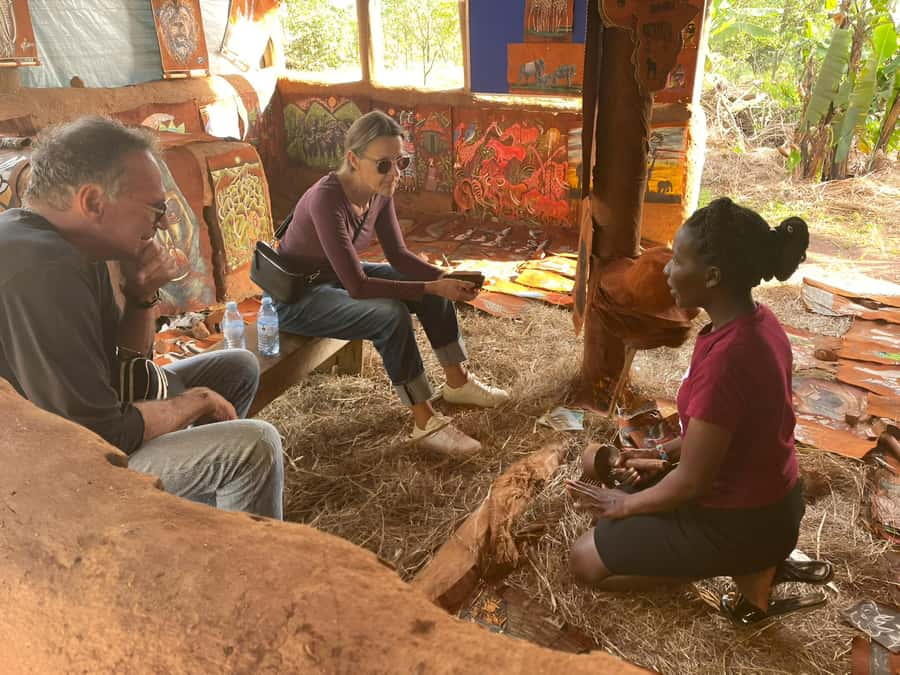
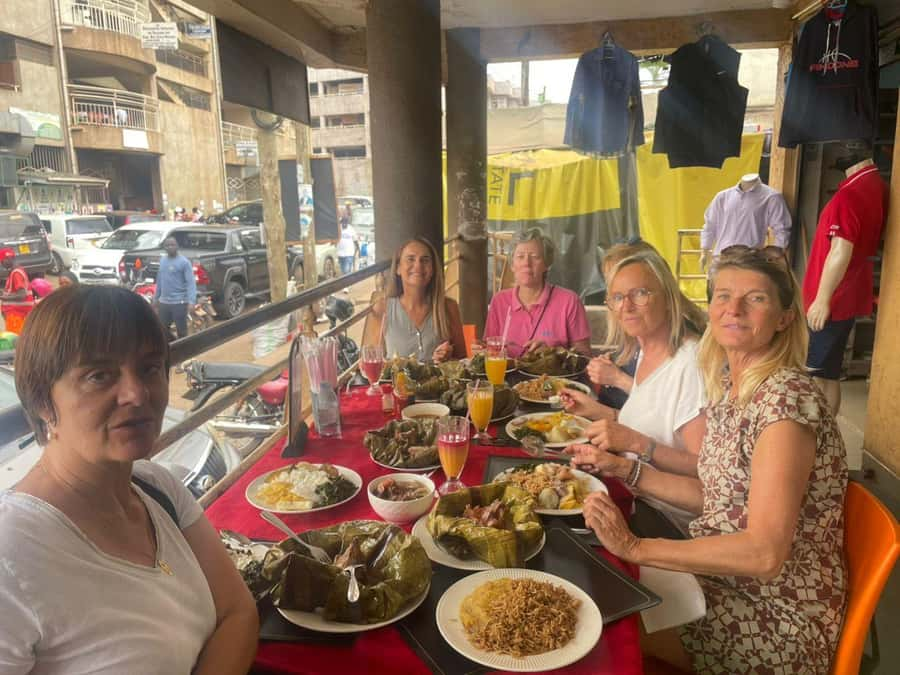
Lunch is included at an authentic Ugandan restaurant, along with bottled water. This gives you a chance to try local food in a proper meal setting rather than treating food as an afterthought between monuments.
The specific restaurant and menu are not stated, so I would ask your guide what is being served and mention any dietary needs at the start of the day. The meal is part of the experience, but alcoholic drinks are not included.
I like that lunch is built into the tour because a full day of hills, traffic, and historic sites needs a real pause. You can also use the meal to ask your guide about daily life, food, and places you may want to visit later in Uganda.
Private transport, timing, and flexibility
The tour uses a private air-conditioned vehicle, with pickup and drop-off included. That matters in Kampala, where moving between Old Kampala, Kikaaya Hill, Kasubi, the palace, and Namugongo would otherwise require separate transport arrangements.
A past booking described the car as clean and comfortable, and Sharif was praised as a safe driver. Pius was described as helpful and well informed. Those details suggest that driving quality and personal guidance are important parts of the experience, not just extras.
No fixed duration is provided, so confirm the expected start and finish time before booking. The number of stops is substantial, and traffic can affect how long the day takes. A private vehicle makes the route easier, but it cannot remove Kampala’s road delays.
The itinerary can be adjusted to your interests, schedule, and pace. You can request more time at cultural landmarks, markets, or religious sites. Downtown Kampala is optional, which is useful if you prefer to focus on the main sights rather than add another urban stop.
Is $170 per person good value?
The price is $170 per person. At first glance, that is high for a city tour, especially if you are booking alone. The value becomes easier to justify if you want private transport, hotel pickup and drop-off, a local guide, lunch, water, and several entrance-based cultural stops in one day.
You are also paying for convenience. The route crosses a wide area, and arranging a similar day yourself would mean finding transport, working out the order of stops, and locating local explanations at each site. The private format gives you control over the pace, which is hard to put a price on if you have a short stay.
For two people, the price still requires thought, but the private vehicle and guide make more sense as a shared cost. If you are mainly interested in one or two sites, the full tour may be more than you need. If you want a broad first look at Kampala, the combination is stronger.
Souvenirs and alcoholic drinks cost extra. The price does not cover every possible expense, so keep a little room in your budget for purchases at Bagala Craft Market.
Who should book this experience?
I would recommend it to first-time visitors who want a structured introduction to Kampala without joining a large group. It also suits couples and small private parties that want to ask questions freely and change the pace.
History lovers will get the most from the palace, Kasubi Tombs, memorials, and shrines. Architecture fans will appreciate the mosque, Bahá’í Temple, royal buildings, and traditional tomb structure. If you want a city overview with a local meal included, the route covers a lot in one outing.
It may not suit you if you prefer a slow, single-neighborhood walk or if $170 per person is beyond your budget. The itinerary is broad, so some stops may feel brief if you want to study every site in detail. Ask for a customized plan before the day begins.
Booking is flexible, with payment later and free cancellation up to 24 hours in advance. English is the listed tour language.
Should you book the Kampala private city tour?
Book it if you want Kampala explained through Buganda’s royal story, Uganda’s political past, major religious sites, and local daily life, all with private transport and lunch included. The strongest reasons are the adjustable schedule, the broad range of stops, and the chance to see the city from Gaddafi Mosque’s minaret.
I would be more cautious if you are traveling alone on a tight budget or only want a short sightseeing outing. For couples or small groups with one full day in Kampala, the mix of Kabaka’s Palace, Kasubi Tombs, Gaddafi Mosque, Bahá’í Temple, Namugongo, and Bagala Craft Market gives you a useful first understanding of the city.
FAQ
Where does this tour take place?
The experience focuses on Kampala and its surrounding sites, while the supplied location is listed as Mityana District, Uganda.
How much does the tour cost?
The listed price is $170 per person.
Is the tour private?
Yes. The experience includes a private tour and private transfers.
Is transportation included?
Yes. Transfers are provided in an air-conditioned vehicle, with pickup and drop-off included.
Is lunch included?
Yes. A meal at an authentic Ugandan restaurant is included.
Is bottled water provided?
Yes. Bottled water is included.
Which language is offered?
The tour is offered in English.
Can the itinerary be changed?
Yes. You can adjust the stops, departure time, pace, and focus to suit your interests and schedule. Downtown Kampala is an optional stop.
Which religious sites are included?
The route includes Gaddafi Mosque, the Bahá’í Temple, and the Catholic and Anglican Namugongo Martyrs Shrines.
Can I cancel the booking?
Yes. You can cancel up to 24 hours in advance for a full refund. You can also reserve and pay later, so no payment is required today.
Just added around Kampala
- Kampala Pub Crawl | Uganda | 4 hours★ 5.0 · 4 reviews
- Kampala Guided walking Tour★ 5.0 · 4 reviews
- Kampala Urban Adventure – Walking Tour★ 5.0 · 3 reviews
- Day and Night City Tours in Kampala★ 5.0 · 4 reviews
- Kampala:Guided walking tour★ 5.0 · 7 reviews
- The best Kampala walking experience tour★ 3.7 · 4 reviews
- Kampala: Luxury City Tour with Hotel Pickup and Drop-Off★ 5.0 · 3 reviews
- Kampala: Female-Guided Walking Tour★ 3.7 · 3 reviews
Kampala Tours, compared.
Free Female Guided Walking Tours Kampala (3 Hours)
Read our review →Browse the lists this tour appears in