
Reviewed · KAMPALA TOURS
Kampala: Female-Guided Walking Tour
Kampala reveals itself best at street level, and this three-hour walk puts you among its markets, taxi traffic, monuments, food stalls, and daily trade. Your female guide brings a personal view of women’s lives and city life, not just a list of dates and buildings. Fridaus and Fatumah are named guides connected with the experience.
I like the chance to shape the walk around your interests, especially if you want help finding particular crafts, foods, or household goods. I also like that your $25 includes entrance fees and supports local women directly. The main drawback is the pace and street traffic: one booking began almost 40 minutes late, and another guest found the constant crossings stressful. Wear firm shoes and stay close to your guide.
Key points to know before you book
- Markets are the heart of the walk: Nakasero and Owino give you the clearest look at local food, shopping, and everyday trade.
- A woman guide changes the focus: You hear about women’s roles, work, family life, and social pressures through a local woman’s point of view.
- The route is active: Expect roughly three hours on foot, frequent road crossings, crowds, and traffic around central Kampala.
- Your guide can tailor the stops: Tell her what you want to shop for or understand before setting off.
- The $25 price is fair for a private-feeling introduction: Entrance fees are included, though shopping and any extra transport are not stated as included.
- This is not a mobility-friendly outing: The tour is not suitable for wheelchair users.
Why a woman guide can change your view of Kampala
This walk is less about checking off grand sights and more about understanding how Kampala works. A local woman guide can explain the city through her own experience, including women’s work, social expectations, safety, family life, and the small decisions that shape an ordinary day.
That perspective matters because Kampala can seem hard to read at first. Traffic, markets, religious buildings, offices, shops, and neighborhoods all press close together. Your guide helps you connect those pieces rather than simply pointing at them.
Female travelers may also feel more at ease with a woman leading the way through crowded markets and busy streets. That does not remove the need for normal city awareness, but it can make the experience feel more comfortable, especially when you want to shop, ask questions, or discuss subjects that are easier to raise with a female guide.
The guides named for this experience include Fridaus and Fatumah. Fatumah is described as helping with market purchases and arranging a good boda boda rate back to a hotel at the end of one walk. That return ride was an extra arrangement, not something you should assume is included in the $25 price.
More things to do in Kampala:
- Kampala’s Best Experience walking tour
★ 5.0 · 137 reviews - Kampala Walking City Tours (Women Guided)
★ 5.0 · 115 reviews - Kampala Walking Tour (3 Hours) with Optional Gaddafi Mosque Visit
★ 5.0 · 112 reviews
Starting at Cariboo Restaurant on Speke Road
The meeting point is Cariboo Restaurant on Speke Road, opposite the post office. Arrive ready to walk, with water, sun protection, and a little patience for city timing.
One important practical point is communication at the start. One guest waited nearly 40 minutes for the guide and could not reach the guide or management during the delay. That is a serious concern, particularly if you have a flight, another tour, or a fixed lunch booking afterward.
I would allow extra time before and after the three-hour schedule. If your guide has not arrived at the stated start time, contact the provider promptly and keep your booking details handy. Once the walk begins, the route moves quickly, so a calm start matters.
Independence Monument and Kampala’s public story
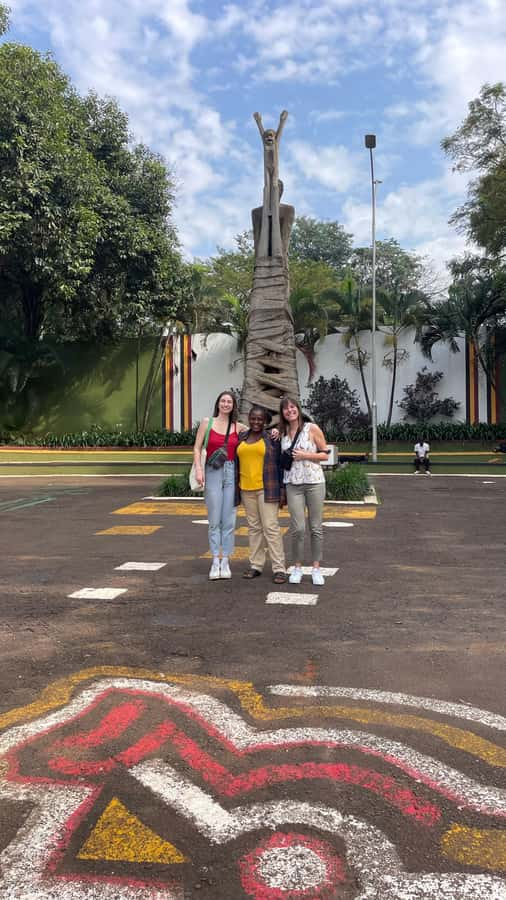
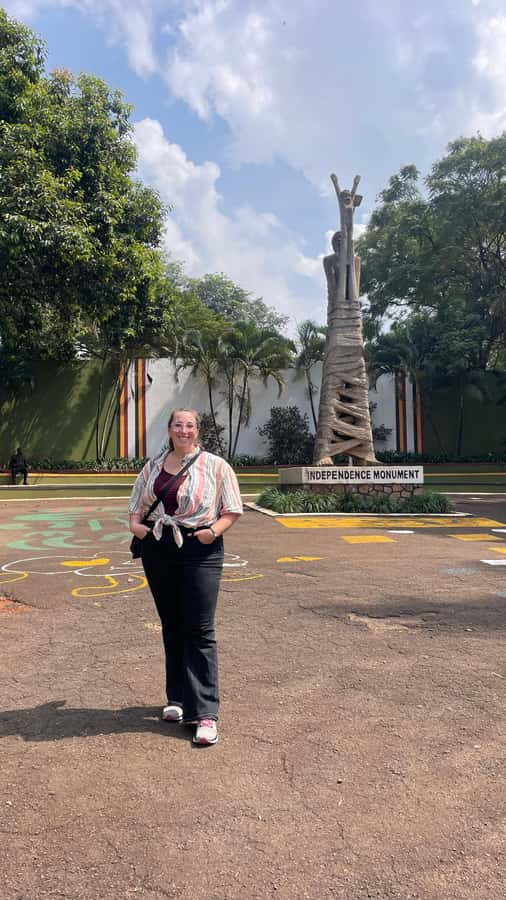
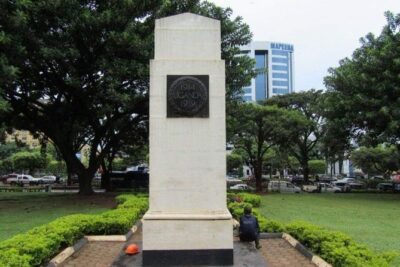
The first major stop is the Independence Monument, reached after about five minutes on foot. You spend around 10 minutes here with a guided explanation of its meaning and Kampala’s history.
This is a useful opening because it gives the rest of the walk a public and national frame. Rather than beginning with shopping, you start with a symbol connected to Uganda’s independence and civic identity.
Do not expect a long museum-style presentation. The stop is short, and the value comes from asking your guide to connect the monument with modern Kampala. Ask about what the monument means to local people, how the surrounding district developed, and how national history affects daily life.
A short stop with room for questions
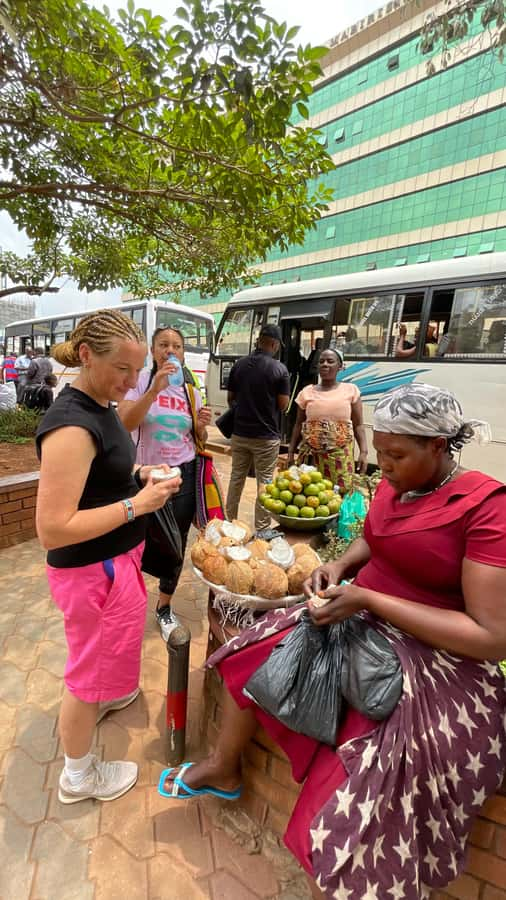
After about 10 minutes of walking, the route pauses at a lesser-known stop for roughly 15 minutes. The exact place is not identified in the available details, so you should treat this as a flexible part of the walk rather than a guaranteed landmark.
That flexibility may work in your favor. The guide can use the time to respond to your interests, explain something you have noticed, or show a place that fits the day’s route. It also means you should not book this experience expecting a fixed list of major attractions at every turn.
This is a good moment to tell your guide what you want from the next two hours. You may care most about food, crafts, religion, history, women’s work, or the mechanics of city transport. The more clearly you explain your interests, the more useful the flexible format can be.
More walking tours in Kampala:
- Steve Kampala Walking tours (Airpals Safaris tour)
★ 5.0 · 89 reviews - Inside Kampala Walking Tour (Female Guided)
★ 5.0 · 52 reviews - Kampala: City Guided walking sightseeing Tour
★ 4.7 · 52 reviews - Kampala Heart of Walking Adventure
★ 5.0 · 43 reviews
Bagala Craft Market and practical shopping
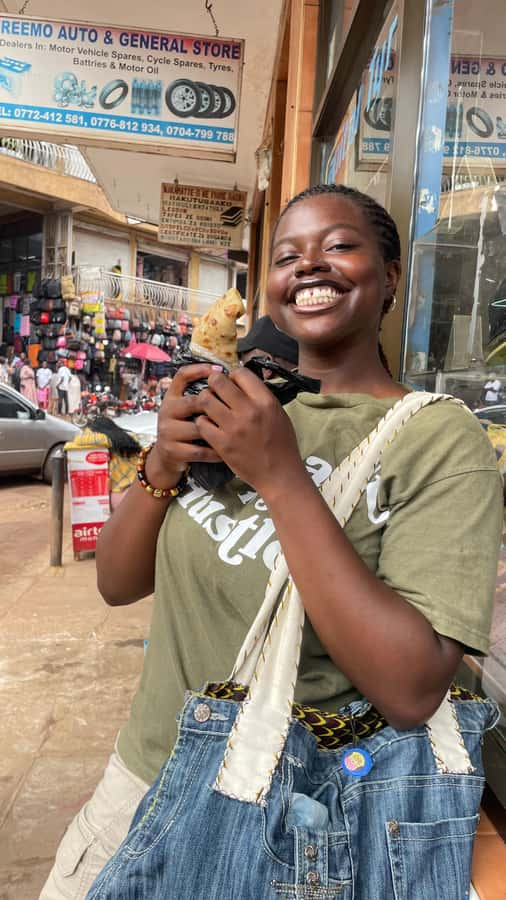
Bagala Craft Market comes next, with about 30 minutes for shopping and browsing. This is one of the longer stops, so you have time to look at local crafts rather than merely pass through.
A guide is especially useful here if you want to shop without feeling lost. You can ask for help locating a particular item, understanding prices, or deciding how much time to spend. Fatumah, in particular, is described as finding requested goods in the markets, which suggests that a clear shopping list could make this stop more productive.
Keep your expectations practical. The tour price does not include purchases, and bargaining is not described as a formal part of the package. Your guide may help with local shopping, but you should make your own decisions and keep valuables secure.
The market also gives you a chance to see commerce as part of city life, not just as a souvenir stop. Ask your guide about the people who sell here, the customers they serve, and how craft trading fits into the wider economy.
Nakasero Market, food, and the city’s working rhythm
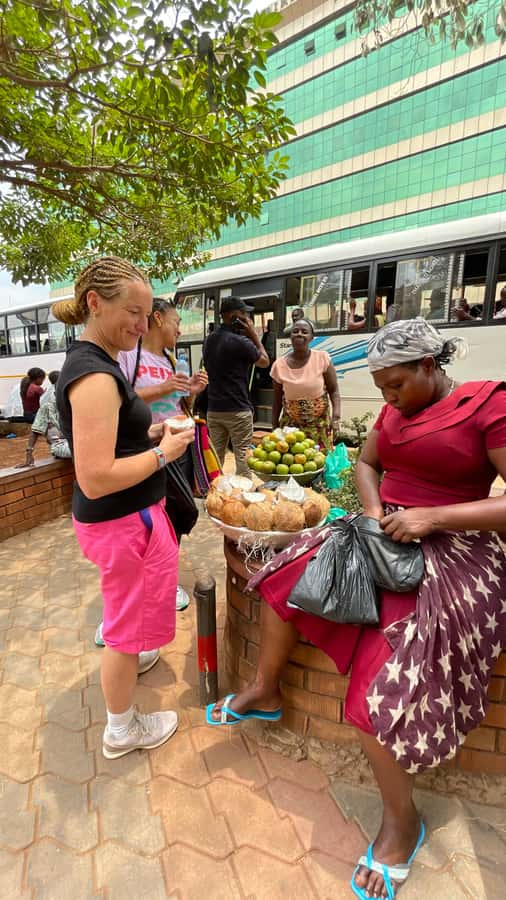
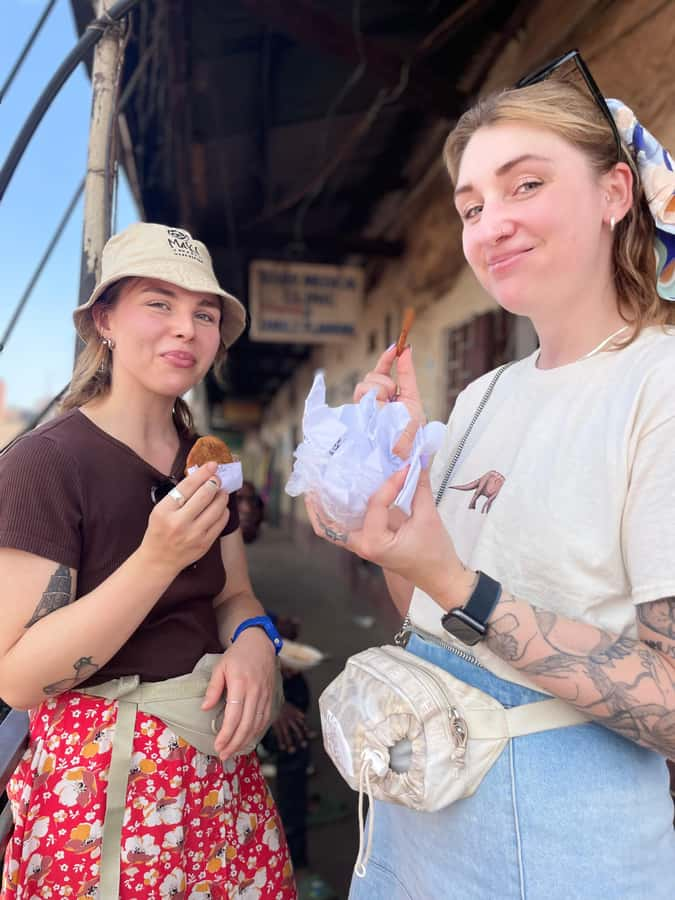
A 10-minute walk leads to Nakasero Market, where you spend about 20 minutes. This stop combines guided explanation, shopping, food tasting, and a visit to a food market.
For many people, this will be one of the most useful parts of the tour. Food tells you a great deal about a place quickly: what is grown nearby, what people buy every day, how produce moves through the city, and what families prepare at home.
The stop is short, so you may need to choose between tasting, shopping, and asking questions. If you have dietary limits or foods you do not want to try, tell your guide early. The supplied details do not specify the tasting menu, so do not expect a particular dish.
Nakasero also helps you see the difference between a market designed for daily needs and a craft market aimed at visitors. I would use this time to ask about common ingredients, household buying habits, and which foods are seasonal. Those questions can lead to a much more useful conversation than simply asking what something costs.
SSDM Temple and Kampala’s religious mix
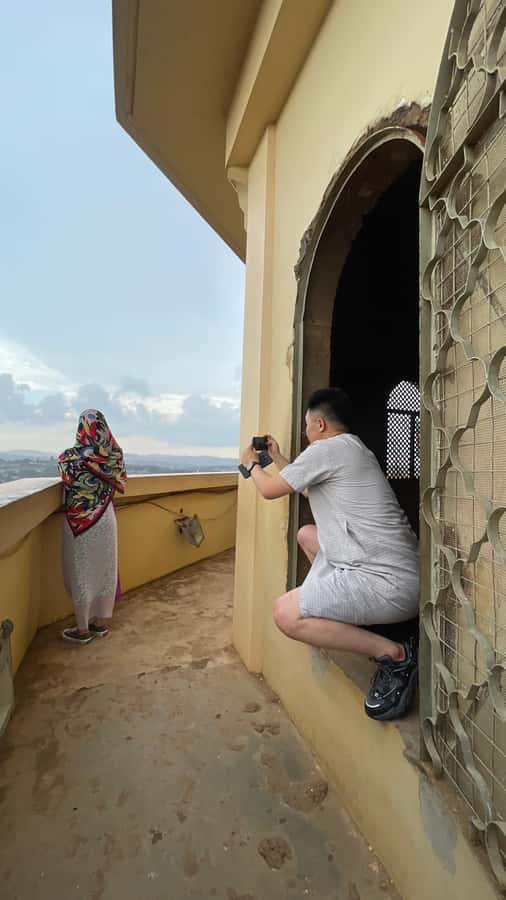
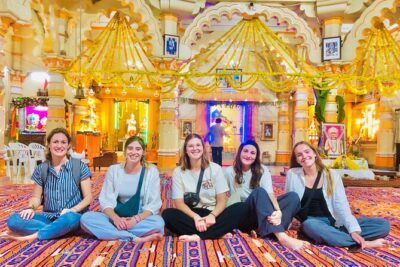
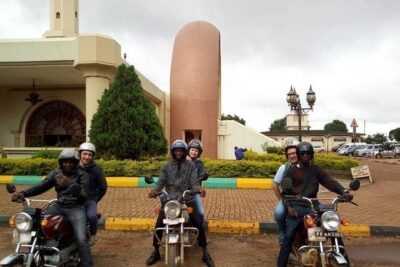
After another five-minute walk, you reach SSDM Temple for a 10-minute guided visit. This gives the tour a religious and architectural turn after the commercial energy of the markets.
The stop is brief, but it helps show that Kampala’s identity is not limited to one faith or one cultural tradition. Ask your guide about the temple’s role in the city and how different religious communities fit into Kampala’s social life.
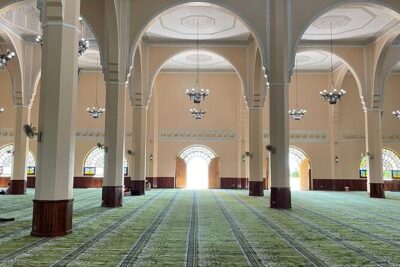
An optional visit to Uganda National Mosque is also mentioned as part of the wider experience, but it is not listed among the timed stops provided here. Confirm with the provider before booking if the mosque is important to you. Dress appropriately for religious sites, as the advice for this activity specifically asks you to dress suitably.
Old Taxi Park and Kampala’s transport pulse
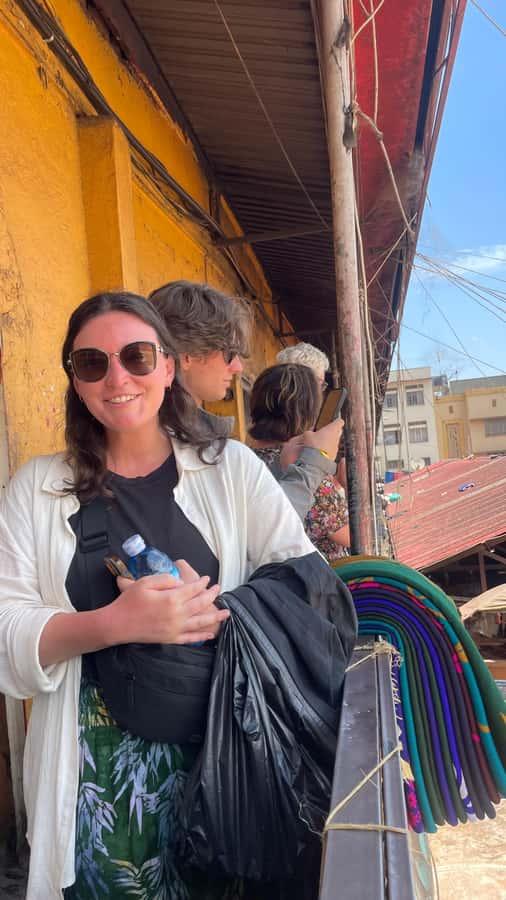
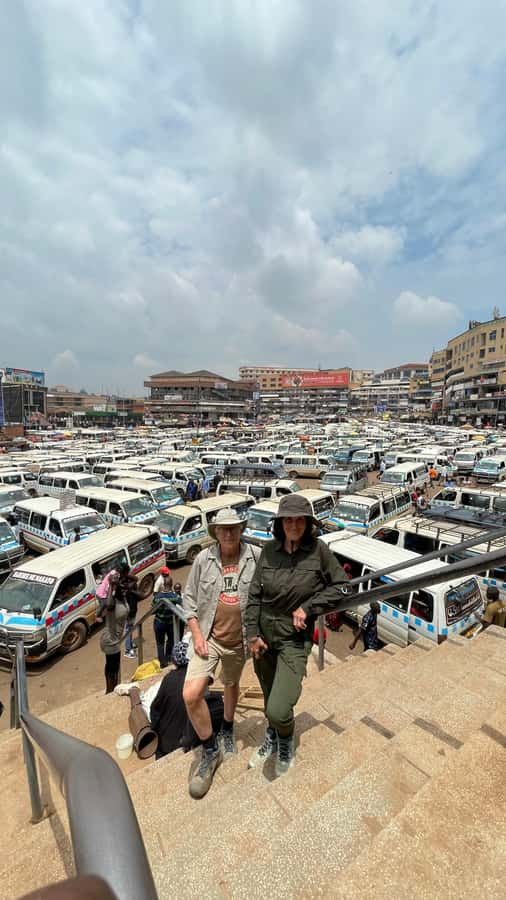
The walk continues to Kampala Old Taxi Park, with a photo stop and about 10 minutes of guided sightseeing. This is a short visit, but it places you beside one of the city’s key transport zones.
You will see why Kampala can feel demanding on foot. Roads, taxis, bodas, pedestrians, and market traffic all compete for space. Your guide’s job here is not only to explain what you are seeing but also to keep the group moving safely.
The photo stop can be useful, but do not linger away from the group. One guest found the repeated street crossings stressful, especially with traffic and bodas moving through the crowd. I would keep your phone and camera ready before crossing, rather than stopping in the roadway or trying to photograph everything at once.
Owino Market, the biggest and most demanding stop
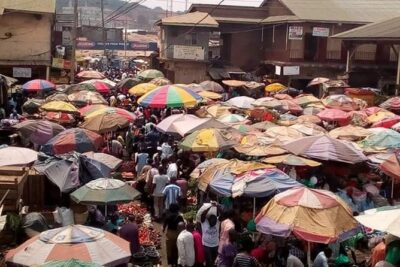
The final major stop is Owino Market, reached after about 10 minutes on foot. You spend roughly 35 minutes here, with guided touring, shopping, food-market activity, regional food, and an aerial view listed among the options.
This is where the tour’s purpose becomes clearest. Owino brings you close to the scale and energy of ordinary trade in Kampala. You may see food, household goods, clothing, and many types of commerce in one concentrated area. The details can change from one section to another, so your guide’s help is valuable.
It is also the stop that calls for the most awareness. Keep your bag closed, stay beside your guide, and avoid letting shopping slow you so much that you lose the group. If you want to buy something, agree on a meeting point before separating for even a short time.
The aerial-view element is not explained in detail, so I would not book this walk specifically for a guaranteed viewpoint. Think of it as an added possibility within the Owino visit. The strongest reason to come is the direct look at Kampala’s working market life.
Pace, traffic, and what the three hours feel like
The timed visits add up to about two hours and 15 minutes, with walking between each stop. That leaves some room for crossings, explanations, shopping, and the flexible portions of the route, but it is still a full three hours.
The pace may feel brisk. One guest said there was little time to look around because the group had to keep following the guide. That can be a problem if you enjoy slow photography or careful browsing.
I would choose this tour if you prefer seeing several parts of the city in a compact block. I would not choose it if you want a relaxed stroll with long pauses at each site. Comfortable shoes are essential, and a hat, sunscreen, and water are sensible in Kampala’s heat.
Smoking is not allowed during the activity. The walk is not suitable for wheelchair users, and the frequent road crossings, market surfaces, and crowded areas would make it a poor fit for anyone needing step-free access.
What the $25 price really buys you
At $25 per person, this is a reasonably priced introduction to central Kampala. You receive three hours with a live English-speaking guide, all listed entrance fees, market visits, food-market access, and a local perspective that is difficult to gain from a taxi window.
The value is strongest if you want orientation and cultural context. A guide can save you time in the markets, explain what you are seeing, and help you approach places you might not visit alone. The support for local women is also part of the price’s purpose.
The value is weaker if you want transport, extensive museum entries, or a slow food tour. Shopping is extra, and any boda boda ride or other transport arrangement should be treated as separate unless the provider confirms otherwise.
Free cancellation up to 24 hours before the start and reserve-now-pay-later booking give you some planning flexibility. Still, I would confirm the start time, guide contact, and mosque option before committing, especially after the reported delay at the meeting point.
Who should book this Kampala walk
I would recommend it to first-time visitors who want a quick, human introduction to Kampala rather than a formal sightseeing circuit. It suits people who enjoy markets, local food, street scenes, and conversation more than polished attractions.
It is also a good choice for female travelers who would feel more comfortable navigating crowded markets with a woman guide. Families with older teenagers may enjoy it, provided everyone can manage the pace and traffic. Shoppers should benefit from telling the guide in advance what they hope to find.
I would be cautious if you dislike crowds, have limited mobility, need exact timekeeping, or want a quiet walk. The late arrival reported by one guest is not something to ignore. Build a buffer into your day and avoid booking this immediately before a nonrefundable appointment.
Should you book this tour?
Book it if you want Kampala explained through markets, movement, religion, and women’s lived experience. The strongest parts are the local guidance, the market access, the option to tailor the route, and the chance to support women earning through tourism.
Skip it if you need a slow, highly structured tour with dependable timing and minimal street crossings. If you book, wear good shoes, carry water, dress appropriately, stay close to your guide, and ask before departure whether Uganda National Mosque is included. For $25, it can be a useful first look at Kampala, as long as you are ready for a fast and very urban walk.
FAQ
Where does the Kampala walking tour begin?
It begins at Cariboo Restaurant on Speke Road, opposite the post office.
How long does the walking tour last?
The tour lasts three hours.
What language does the guide speak?
The live tour is conducted in English.
Which places are visited?
The route includes the Independence Monument, a flexible lesser-known stop, Bagala Craft Market, Nakasero Market, SSDM Temple, Kampala Old Taxi Park, and Owino Market.
Is Uganda National Mosque included?
An optional visit to Uganda National Mosque is mentioned, but it is not included among the timed stops. Confirm its availability with the provider before booking.
What should I bring?
Bring comfortable shoes, a hat, sunscreen, and water.
Is the tour suitable for wheelchair users?
No. The activity is not suitable for wheelchair users.
Just added around Kampala
- Kampala Pub Crawl | Uganda | 4 hours★ 5.0 · 4 reviews
- Kampala Guided walking Tour★ 5.0 · 4 reviews
- Kampala Urban Adventure – Walking Tour★ 5.0 · 3 reviews
- Day and Night City Tours in Kampala★ 5.0 · 4 reviews
- Kampala:Guided walking tour★ 5.0 · 7 reviews
- The best Kampala walking experience tour★ 3.7 · 4 reviews
- Kampala: Private Guided City Tour with vehicle Transfers★ 4.7 · 3 reviews
- Kampala: Luxury City Tour with Hotel Pickup and Drop-Off★ 5.0 · 3 reviews
Kampala Tours, compared.

Free Female Guided Walking Tours Kampala (3 Hours)
Read our review →Browse the lists this tour appears in