
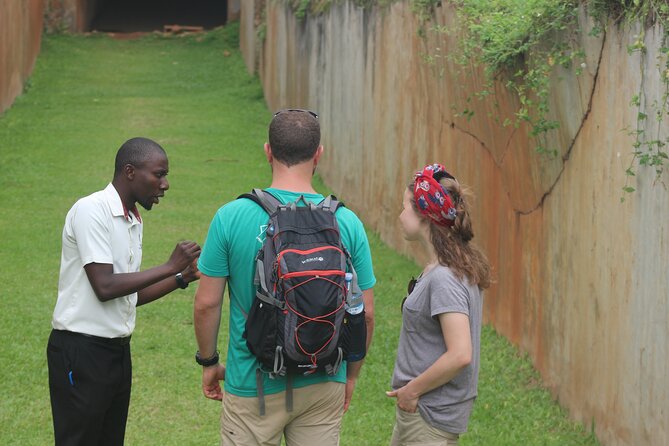
Reviewed · KAMPALA TOURS
Kampala cultural tours
Kampala’s story makes the most sense through the Buganda Kingdom, and this full-day tour puts that story at the center. You’ll move from royal sites and burial grounds to the Uganda Museum, local food, spiritual traditions, craft making, and city markets. It is a useful way to connect Kampala’s present-day streets with the customs and authority of its largest traditional kingdom.
I like the hotel pickup and private transport, since Kampala’s traffic and spread-out sights can make independent sightseeing slow. I also like the mix of formal landmarks and ordinary cultural life, including traditional lunch, storytelling, craft shopping, and the chance to learn about spiritual healing.
The main caution is cost at the sites. The $100 tour price covers transport, lunch, and water, but entrance fees are separate, and one recent outing found the palace and museum experience less rewarding than expected because of limited access and renovation work.
Key points to know before booking
- Buganda focus: The tour explains Kampala through the traditions and institutions of the Buganda Kingdom.
- Seven-hour route: You’ll cover Kasubi Tombs, Uganda Museum, royal sites, Kabaka’s Lake, and a craft market in one day.
- Transport included: Pickup and private transportation save you from arranging several separate rides across Kampala.
- Small group size: The maximum is 10 people, allowing more room for questions than a large coach tour.
- Lunch and water included: A traditional local meal is part of the day, while entrance fees are not.
- Check site conditions: Uganda Museum has been closed for renovation at times, and access at the palace may be limited.
Why Buganda gives Kampala its cultural shape
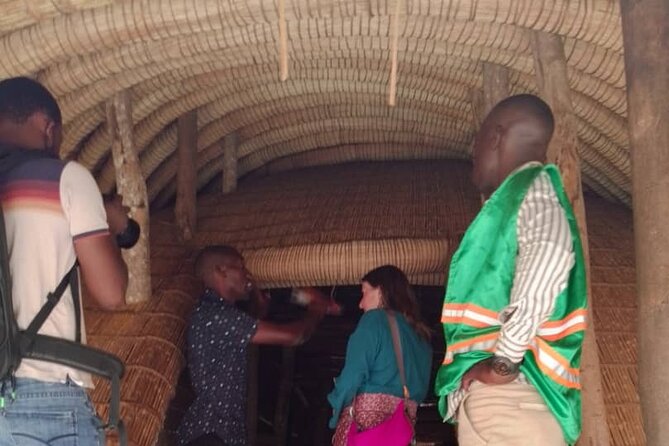
Kampala is not only Uganda’s capital. It is also the center of Buganda, a kingdom with its own royal traditions, court culture, sacred places, and social customs. That makes this tour different from a simple drive around government buildings and city viewpoints.
You’ll hear how royal authority, family ties, spiritual beliefs, and craft traditions fit together. The value is in the connections. A palace visit means more after you have learned about the Kabaka, and the Kasubi Tombs mean more after your guide explains why royal burial grounds remain important.
This is also a good choice if you want context rather than a quick photograph. The day includes historic places, but it also allows time for local food, traditional objects, craft work, and stories. You get a wider picture of how culture is practiced, not just how it is displayed.
The tour lasts about seven hours. That is long enough to reach several important places without turning the day into a rushed checklist, though traffic in Kampala can affect the pace. Pickup is offered, and private transportation is included, which matters in a city where distances can look short on a map but take time by road.
More things to do in Kampala:
- Kampala’s Best Experience walking tour
★ 5.0 · 137 reviews - Kampala Walking City Tours (Women Guided)
★ 5.0 · 115 reviews - Kampala Walking Tour (3 Hours) with Optional Gaddafi Mosque Visit
★ 5.0 · 112 reviews
Kasubi Tombs, a powerful first stop
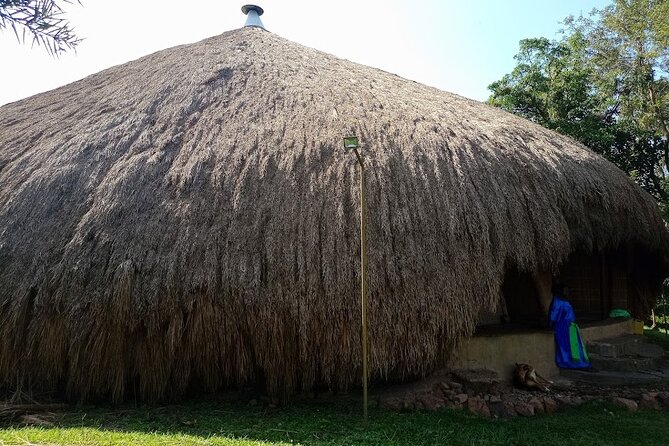
Kasubi Tombs is listed as a UNESCO World Heritage Site and is one of the most important cultural stops on the route. It is the burial place connected with the Kabakas, the kings of Buganda, and carries both royal and spiritual importance.
You should expect this part of the day to be more than a standard monument visit. The site offers a way to understand Buganda’s view of kingship, ancestry, and ceremony. Your guide can help explain details that are easy to miss if you arrive without background.
The condition of the site and the exact areas open to visitors can change, so do not assume every part will be accessible. Still, this is likely to be one of the most meaningful stops, especially if you want to understand why Buganda remains culturally important in modern Uganda.
Take your time here. Listen to the explanation of the royal burials, notice the traditional design, and ask questions about how the site is used and cared for. The value is less about the number of objects you see and more about the place’s continuing role.
Uganda Museum and the limits of fixed sightseeing plans
The Uganda Museum is described as the oldest museum in East Africa, making it a natural stop for anyone who wants a broad introduction to Uganda. Its collections cover traditional artifacts and aspects of the country’s cultural past, giving you a useful base before visiting the royal sites and craft market.
A museum visit can also help you make sense of the rest of the day. Objects and displays provide a wider national setting, while the Buganda sites focus more closely on one kingdom and its customs.
There is an important practical warning. The museum has been closed for renovation at times. If it is not open during your visit, the tour may need to adjust the plan, and you should not assume the museum admission is guaranteed.
This is one reason I would confirm current site conditions before booking if the museum is your main reason for choosing the tour. The provider can take you to the destination, but it cannot control renovation work or opening decisions.
Kabaka’s Palace and the question of access
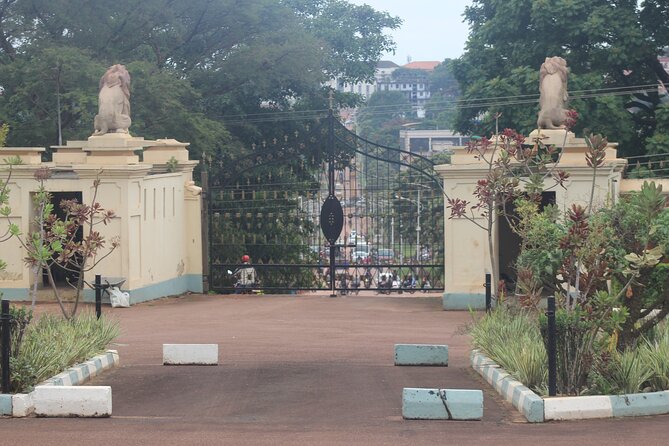
Kabaka’s Palace is one of the headline stops. It offers a direct link to Buganda’s royal institution and should help place the Kabaka within the story of Kampala and the kingdom.
Access, however, may not match the image suggested by the name. One recent outing found that the palace itself was not clearly visible, while the paid visit felt limited. Another charge was described as covering the grounds and trees rather than a full palace interior. Conditions and fees may change, but this is worth keeping in mind.
Ask your guide what areas are open on the day and what each entrance charge covers before paying. That simple question can prevent disappointment. You may find the historical explanation more valuable than the physical access, but you should know what you are buying.
Entrance fees are not included in the $100 price. The tour provider has no control over charges set by the sites, so budget extra money for admissions and ask for the current amount before entering.
A completely different kind of day out in Kampala:
- Steve Kampala Walking tours (Airpals Safaris tour)
★ 5.0 · 89 reviews - Inside Kampala Walking Tour (Female Guided)
★ 5.0 · 52 reviews - Kampala: City Guided walking sightseeing Tour
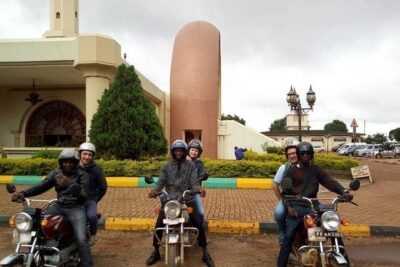
★ 4.7 · 52 reviews - Kampala boda boda tours [motorbike tours].
★ 5.0 · 51 reviews
The Royal Mile, Kabaka’s Lake, and the wider royal setting
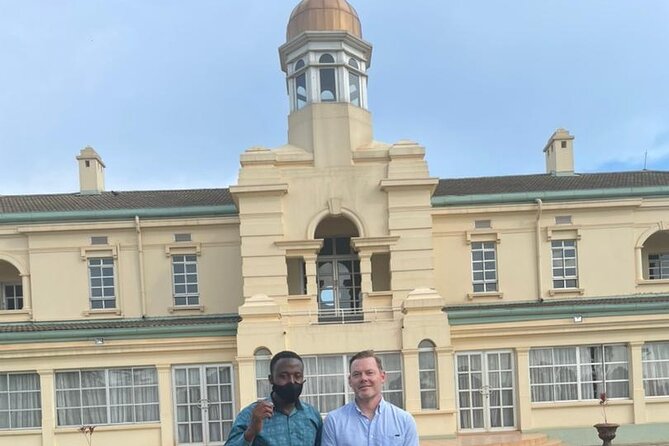
The Royal Mile adds another piece to the Buganda story. It is associated with the route and setting of the kingdom’s royal center, and it helps connect the palace area with the broader traditions of the court.
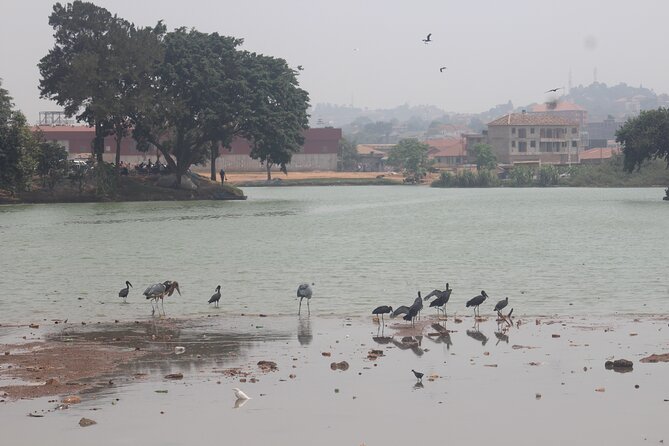
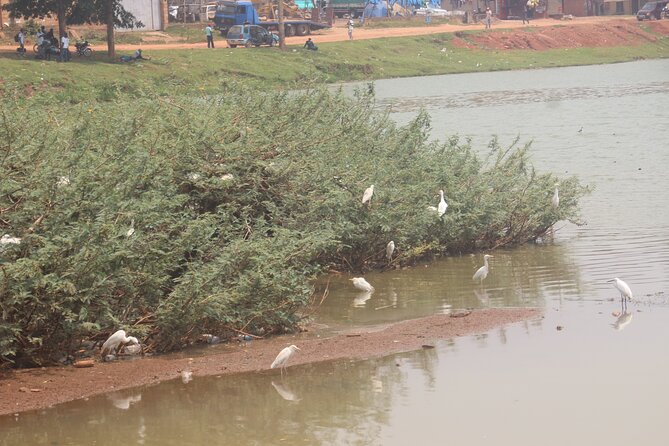
Kabaka’s Lake gives the tour a different rhythm. Instead of another enclosed site, you get an outdoor place tied to the royal story. The lake is part of the cultural route rather than a separate nature excursion, so keep your expectations focused on heritage and local explanation.
I like this part of the itinerary because it shows that royal culture is not limited to one building. Roads, public spaces, ceremonial sites, and places linked to the Kabaka all contribute to the setting.
The stops may be short depending on traffic, access, and the guide’s timing. If one location interests you especially, tell the guide early. A small group of no more than 10 people should make that sort of conversation easier than it would be on a large bus tour.
Torture Chambers and the difficult parts of the story
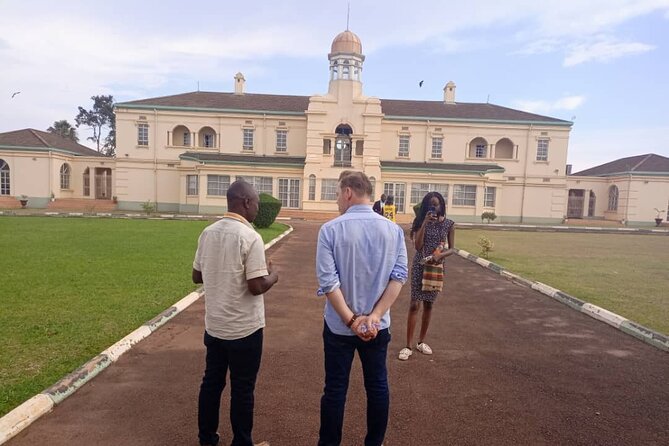
The Torture Chambers introduce a darker chapter. This stop is connected with political violence and imprisonment during a later period of Ugandan history. It can be uncomfortable, but it gives the day needed balance.
A cultural tour should not present only royal ceremony, food, and handicrafts. The country’s past also includes fear, conflict, and the misuse of power. A visit here may help you understand why certain sites carry strong emotional weight.
Expect the guide’s interpretation to matter. Ask for dates, background, and context rather than treating the place as a quick photo stop. Some people will find this part of the tour difficult, particularly if they prefer a lighter sightseeing day, but it is an important counterpoint to the more celebratory parts of Buganda heritage.
Traditional food and everyday cultural life
Lunch is included, and the tour presents it as a traditional local meal. This is one of the more useful inclusions because food gives you a direct way to experience local habits instead of only looking at objects and buildings.
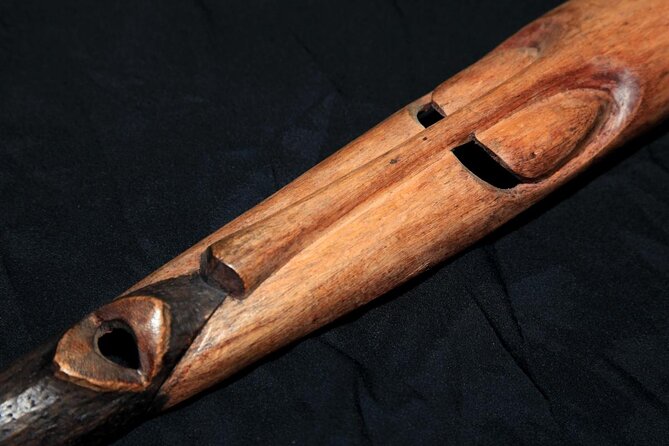
You may also encounter traditional artifacts, craft making, storytelling, and discussion of spiritual healing. These parts help bring the cultural material to life. The tour is not limited to royal history. It also looks at social life and the skills used to produce objects for home use, ceremony, or sale.
The exact dishes and lunch setting are not specified, so you should not book this expecting a named menu or a formal dining experience. Think of the meal as a practical part of the day and a chance to try local food within the tour schedule.
Bottled water is included. That is a small detail, but useful during a seven-hour outing with several stops. You can still bring extra water if you prefer, especially if you are not used to Kampala’s heat.
Craft markets and buying a useful souvenir
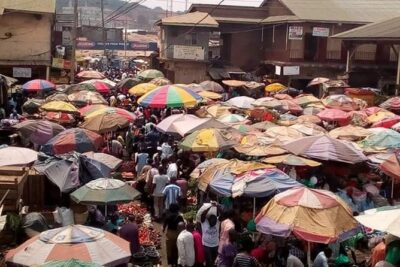
The craft market is the most hands-on part of the route. You can look at traditional crafts, watch or discuss how some items are made, and shop for souvenirs without having to find the market on your own.
This is a better setting for buying a memento than a generic hotel shop. You may find objects that connect more clearly to Ugandan design and daily life. Take time to compare items, ask what they are used for, and check the quality before making a purchase.
Shopping is optional, so you do not need to buy anything. If you do shop, keep your budget in mind. The tour price does not include purchases, and market prices can vary.
The market also gives you a chance to ask about craft traditions beyond the royal sites. That broader view is one of the tour’s strengths. You are not only looking at old buildings. You are seeing cultural practices that continue in the present.
What the $100 price really covers
At $100 per person, this is not the cheapest way to see Kampala. The price becomes easier to justify if you value a private vehicle, hotel pickup, a planned route, a guide, bottled water, and lunch.
Transport is the key saving. Organizing separate rides to Kasubi Tombs, the Uganda Museum, the palace area, Kabaka’s Lake, and the craft market could take time and require repeated negotiation. Here, those movements are arranged for you.
The price is less attractive if you expect all admissions to be included. They are not. The palace and other cultural sites may charge separately, and the amount can vary. One recent outing reported additional charges of $10 and $20, though you should confirm current fees before visiting because prices and access can change.
The small-group limit of 10 also adds value. You are not guaranteed a private guide, but the group should be small enough for questions and conversation. If the group is full, the experience will still be more personal than a large sightseeing coach, though less flexible than a one-to-one tour.
Who will get the most from this Kampala tour
I would choose this experience if you have limited time in Kampala and want cultural context rather than a general city drive. It suits first-time visitors who want transport arranged and prefer having a guide explain the meaning of each site.
It also fits visitors with a specific interest in Buganda, royal traditions, traditional crafts, or Ugandan history. The route is broad enough to introduce several subjects without requiring you to plan the day yourself.
You may want another option if the Uganda Museum is your main priority and you are visiting during a renovation period. You may also be disappointed if you expect to walk through an elaborate palace interior or have every entrance included in the tour fee.
People who enjoy active shopping, food, and conversation will likely find the day more rewarding than those who only want major monuments. The tour includes several cultural encounters, but it does not promise a polished museum experience at every stop.
Practical details that affect your day
Pickup is offered, and the tour uses private transportation. Confirm the pickup point when you book, especially if you are staying somewhere outside the central Kampala area.
Most people can take part, and the experience is near public transportation. The stated maximum is 10 people. Confirmation is provided at the time of booking.
The cancellation policy is straightforward. You can receive a full refund if you cancel at least 24 hours before the start time. Cancellations or changes made inside that period are not accepted for a refund.
Plan to carry some extra money for entrance fees and market purchases. Since the price excludes admissions, asking about current charges at the start of the day is sensible. That is particularly important for the palace, where access and value may not be obvious from the outside.
Should you book it?
Book this tour if you want an efficient introduction to Buganda culture, appreciate having transport arranged, and are comfortable paying entrance fees separately. The strongest parts are the focused cultural route, the mix of royal and everyday traditions, the included local lunch, and the small group size.
Go in with realistic expectations about access. The palace may not offer the interior visit you picture, and Uganda Museum may be closed for renovation. If you treat the day as a guided introduction to Kampala’s cultural setting rather than a guaranteed tour of every building, the $100 price can make sense.
FAQ
How long does the Kampala cultural tour last?
The tour lasts approximately seven hours.
Is hotel pickup available?
Yes. Pickup is offered, and private transportation is included.
What is included in the $100 price?
The price includes bottled water, private transportation, and lunch.
Are entrance fees included?
No. Entrance fees are not included and must be paid separately.
How many people can join the tour?
The maximum group size is 10 people.
Can I cancel for a full refund?
Yes. You must cancel at least 24 hours before the experience start time to receive a full refund. Cancellations or changes made less than 24 hours beforehand are not refunded.
Just added around Kampala
- Kampala Pub Crawl | Uganda | 4 hours★ 5.0 · 4 reviews
- Kampala Guided walking Tour★ 5.0 · 4 reviews
- Kampala Urban Adventure – Walking Tour★ 5.0 · 3 reviews
- Day and Night City Tours in Kampala★ 5.0 · 4 reviews
- Kampala:Guided walking tour★ 5.0 · 7 reviews
- The best Kampala walking experience tour★ 3.7 · 4 reviews
- Kampala: Private Guided City Tour with vehicle Transfers★ 4.7 · 3 reviews
- Kampala: Luxury City Tour with Hotel Pickup and Drop-Off★ 5.0 · 3 reviews
Kampala Tours, compared.
Free Female Guided Walking Tours Kampala (3 Hours)
Read our review →Browse the lists this tour appears in