
Reviewed · KAMPALA TOURS
Kampala City Tour – Half Day
Kampala makes more sense when you see its royal compounds, religious landmarks, markets, and government quarter together. This tour gives you that broad picture, from the Kabaka’s Palace and Buganda Parliament to the minaret of Gaddafi National Mosque, where the city’s seven hills come into view.
I like the private format and the patient, energetic guiding style associated with Mathew, who has helped visitors connect Uganda’s past with its present. I also like the comfortable air-conditioned vehicle, hotel pickup, mineral water, route map, and souvenir photos. The main consideration is timing: although sold as a half-day experience, the plan runs about 6 to 7 hours and covers a lot of ground.
Key points to know before booking
- Kampala in one sweeping route: You cover central Kampala, Buganda’s royal sites, Old Kampala, Makerere, Kikaya Hill, and major cultural stops.
- The Kabaka’s Palace adds local depth: The palace grounds explain Buganda’s royal traditions, while the Idd Amin-era armory gives the visit a darker historical edge.
- The mosque tower offers the best city view: Climb the Gaddafi National Mosque minaret for a 360-degree look across Kampala’s famous hills.
- The Uganda Museum is currently closed: Renovation is expected to continue until late 2025, so confirm what will replace or follow that stop.
- Private transport saves time: A dedicated 4WD minibus, hotel transfers, and a window seat make a long city circuit easier.
- This suits curious first-time visitors: It works best if you want context and variety rather than a slow visit to only one or two sites.
A useful first look at Kampala
Kampala is not a city you understand from a single downtown walk. Its story is spread across Buganda’s royal center, Christian and Muslim landmarks, Hindu temples, academic institutions, markets, and national monuments.
This route begins around Kampala’s central business district, then moves outward into the suburbs. You get a quick look at the Independence Monument, Mutesa II Monument, World War II Monument, Parliamentary Building, Bank of Uganda, Uganda National Cultural Centre, and Kampala Capital City Authority headquarters.
I like this opening because it gives you political and civic context before the tour turns toward culture. It is also a drive-heavy introduction, so you should expect to see some locations from the vehicle rather than spend time at every one.
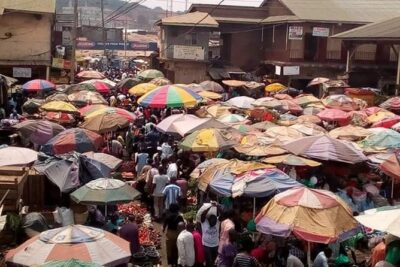
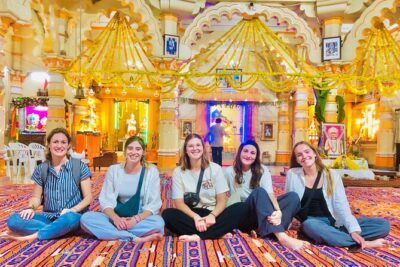
Nakasero Market is the first useful change of pace. It dates to 1895, with its present city-center location established in 1905, and its stalls offer a look at everyday trade. You may find spices, textiles, fruit, and other local goods, while nearby Hindu temples such as Shree Swaminarayan Mandir add another layer to Kampala’s religious mix.
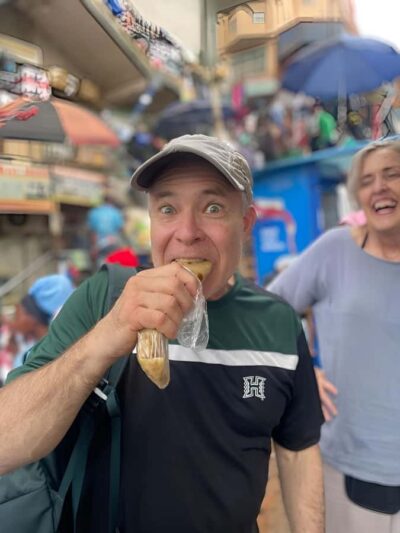
The market stop is not designed as a long shopping session. You get a short look at the setting, with time to browse or take photographs, so bring small spending money only if you want to buy something. The guide can help turn a quick stop into something more useful by explaining what you are seeing.
More things to do in Kampala:
- Kampala’s Best Experience walking tour
★ 5.0 · 137 reviews - Kampala Walking City Tours (Women Guided)
★ 5.0 · 115 reviews - Kampala Walking Tour (3 Hours) with Optional Gaddafi Mosque Visit
★ 5.0 · 112 reviews
Kabaka’s Palace and the Buganda royal route
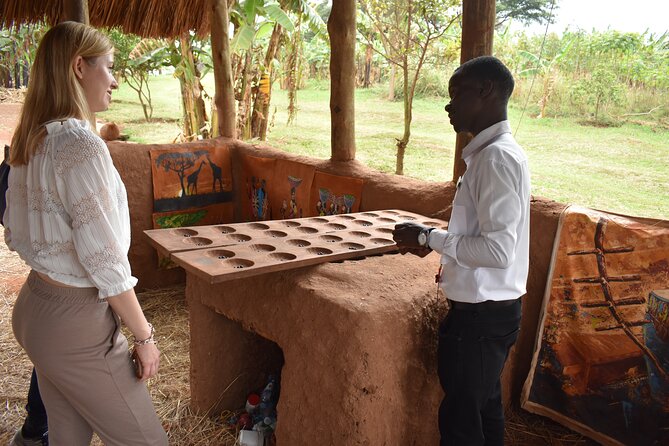
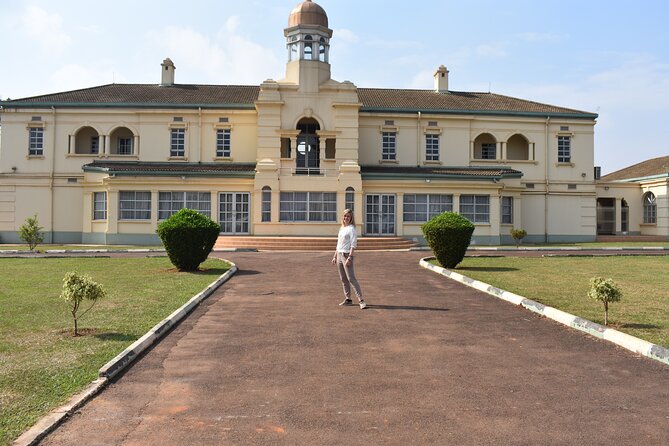
The visit to Kabaka’s Palace is one of the strongest parts of the day. The palace belongs to the Buganda Kingdom, and the surrounding route introduces customs, royal symbols, and important political sites that can be missed on a standard city drive.
Inside the grounds, you see the Idd Amin’s Armory and a historical machine gun, along with a pictorial display about the palace. This portion brings the country’s modern political turmoil into a royal setting. It is a sobering stop, not just a grand residence.
The Buganda trail continues past Kabaka’s Lake, the Nantawetwa monument, and the Royal Mile. Nantawetwa was built for the king and opens only when he is driven from the palace to the Buganda Parliament. You also see Bulange, the Buganda Parliament, Kabaka’s Monument, Zakaria Kisingiri House, and Buganda clan symbols.
Allow about an hour here. The value is not only in the buildings, but in learning how Buganda’s traditional kingdom continues to shape Kampala. If you want a tour that explains local identity rather than simply pointing out landmarks, this stop earns its place.
Gaddafi National Mosque and the seven hills
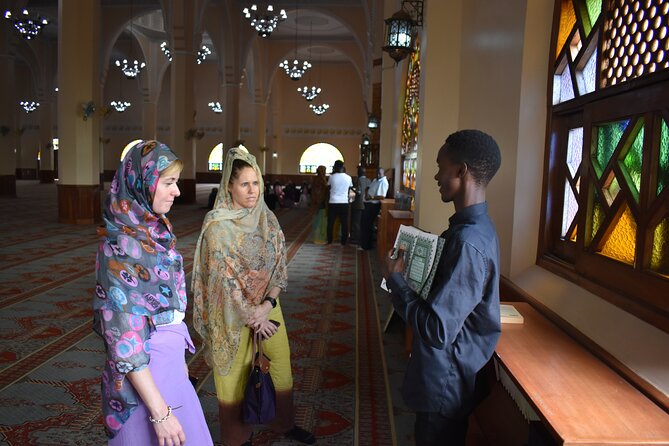
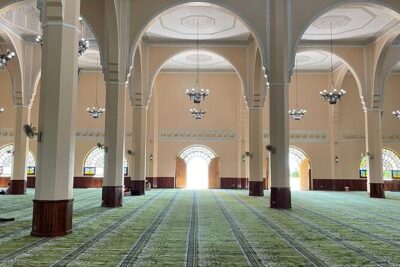
The drive through 1980s-era Kampala leads to Gaddafi National Mosque, a major religious and city landmark. The mosque was given to Uganda by the late Col. Muammar Gaddafi, and the stop includes a climb up the minaret.
The 360-degree view from the tower is the clearest visual payoff of the tour. From above, you can look across Kampala’s seven hills and spot Fort Lugard, associated with Capt. Frederick Lugard, along with Old Kampala Senior Secondary School.
Plan on about an hour here, including the climb and the view. The physical effort is moderate, but you should be comfortable with stairs and able to manage a day that includes repeated getting in and out of the vehicle.
The mosque is also a useful reminder that Kampala cannot be reduced to one religious or cultural story. You see Christian, Muslim, Hindu, Baha’i, and traditional Buganda sites in one circuit. That range is one of the tour’s best features.
Kasubi Tombs and Buganda’s spiritual center
Kasubi Tombs is a UNESCO World Heritage Site and a major spiritual place for the Baganda. It serves as the burial ground of four former kings of Buganda, known as kabakas, and remains important for royal rituals and cultural practice.
The stop usually lasts about an hour. You should expect a more reflective visit here than at the market or city monuments. The tombs are not simply an old building to photograph. They connect royal succession, family tradition, and living cultural practice.
This is an important stop for understanding why the Buganda Kingdom matters today. It also balances the political material at Kabaka’s Palace with a site focused more on memory and ceremony.
The tour includes admission, but respectful behavior matters. Follow the guide’s directions about photography and movement around the site. The route includes several cultural and religious locations, so modest, practical clothing is a sensible choice.
More city tours in Kampala:
- Kampala: City Guided walking sightseeing Tour
★ 4.7 · 52 reviews - Half day Kampala City Motor Bike Tours
★ 5.0 · 29 reviews - Kampala’s walking city Tour Experience
★ 5.0 · 18 reviews - Kampala: Guided City Walking Tour with Gadaffi Mosque
★ 4.7 · 16 reviews
Makerere University and Kampala’s academic past
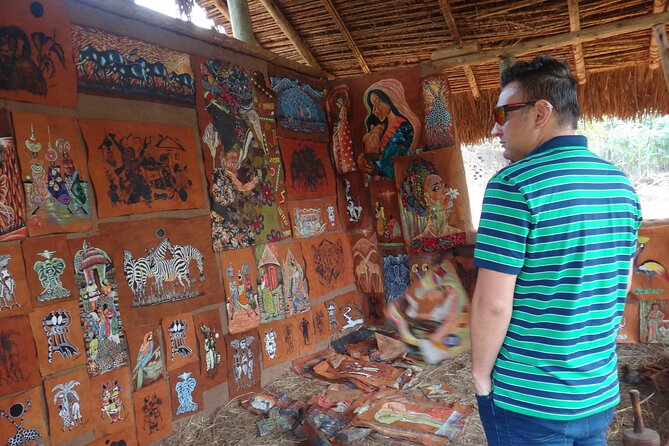
After Kasubi, the vehicle passes through Makerere University, founded in 1922. It is Uganda’s oldest and largest university and one of Africa’s oldest academic institutions.
You spend about 30 minutes on a sightseeing visit, with landmarks including the Old University Library, established in 1949, the Main Administration Building from 1941, and the Education Monument. This is a shorter stop, but it helps explain Kampala’s role as an academic center.
I would not book the tour solely for Makerere. The visit is mainly a look at key buildings rather than an extended campus tour. Still, it breaks up the sequence of royal and religious sites and gives you another way to see Uganda’s national development.
The Baha’i Temple on Kikaya Hill
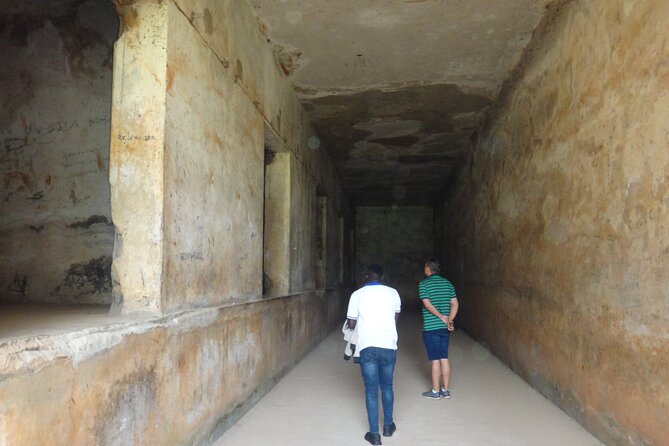
The route to the Baha’i Temple passes Kalerwe Market, described as Kampala’s second-largest local market. You may stop for photographs or buy fresh fruit, depending on the timing and the day’s traffic.
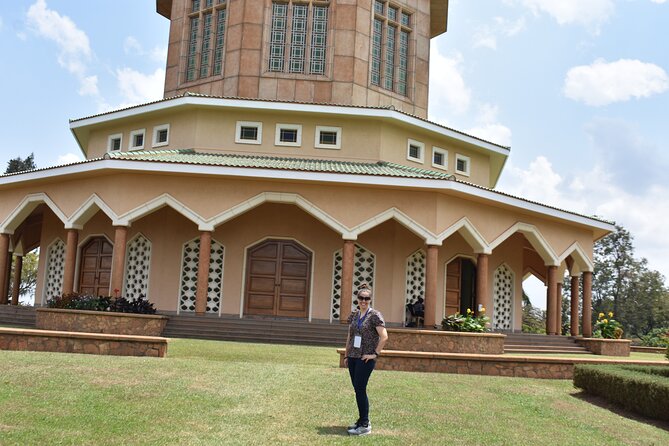
The temple sits on Kikaya Hill, northeast of Kampala, and is the only Baha’i temple in Africa. The setting includes gardens and an interior space where you can spend a quiet moment in meditation.
This stop provides a welcome pause after the denser city sights. You are not simply moving from one monument to another. The temple offers open space, stillness, and a chance to consider how a global faith has a place in Uganda.
The temple is closed on Mondays, so check your travel date before booking. The tour information also says the experience may temporarily end here before your transfer back to the hotel when other stops are not operating.
The Uganda Museum closure matters
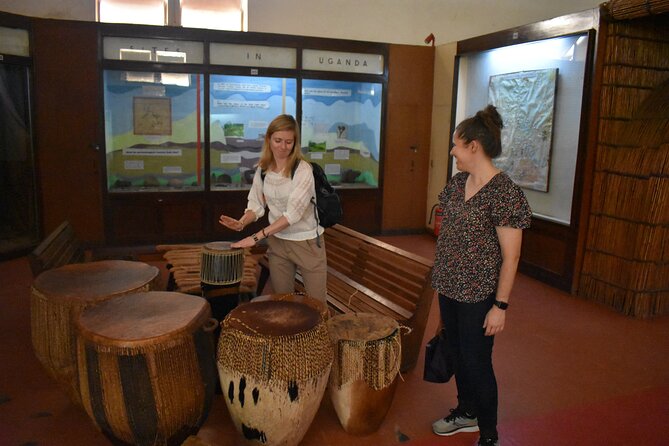
Under normal operation, the Uganda Museum serves as the final major stop. It was first established in 1908 and moved to its current site in 1954, making it an important place to see Uganda’s cultural objects and gain a wider view of the country.
The important catch is that the museum is under renovation and is expected to reopen in late 2025. If your visit takes place before reopening, you should not assume that museum admission means you will enter the galleries.
This changes the balance of the day. The museum would normally provide a strong final overview after the palace, mosque, tombs, university, and temple. Without it, the tour may end at the Baha’i Temple and return you to your hotel, or the operator may adjust the plan.
Ask for the current arrangement before departure. The rest of the route still offers plenty, but the closure is the single most important practical limitation in the published plan.
How the private vehicle changes the day
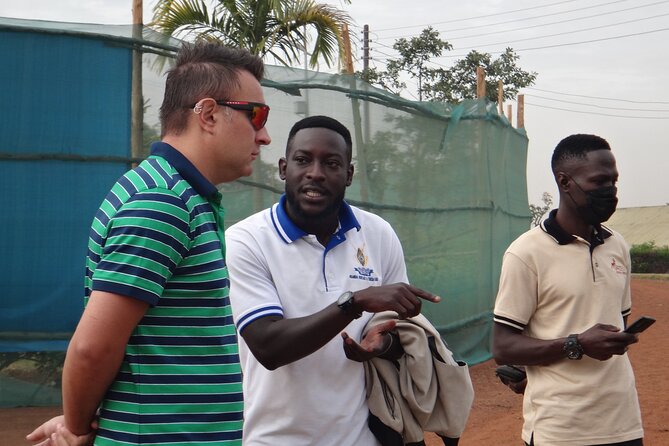
The tour includes transport in a 4WD minibus with fuel, air conditioning, Wi-Fi, and a designated window seat. Hotel transfers are also included within the Kampala area.
That matters in Kampala, where the itinerary crosses central neighborhoods and outer areas. You can leave your hotel, see a wide spread of sights, and return without arranging separate rides between each location.
The private format means only your group participates. You can ask the English-speaking driver-guide to slow down at a point that interests you, clarify a confusing part of Buganda history, or help you decide how much time to spend at a market.
Past visitors specifically valued the comfortable car, on-time operation, and easy scheduling. Mathew, also spelled Matthew in some tour details, received particular praise for being friendly, patient, energetic, and informative. That personal guiding role is important here because several stops have more meaning when explained on site.
The vehicle is a practical advantage, not a luxury substitute for walking. You will still climb the mosque minaret, move around palace and tomb grounds, and spend time outdoors. A moderate fitness level is recommended.
Price, length, and overall value
The price is $215 per person. That is a serious price for a city tour, but the value depends on how many people are in your private group and how much you would otherwise spend arranging a vehicle, driver, admissions, and transfers separately.
The fee includes entrance charges for planned stops, transport, fuel, an English-speaking driver-guide, mineral water, hotel transfers within Kampala, a route map, and souvenir photos. Lunch is not included, and personal spending, optional activities, and drop-off beyond the Kampala area cost extra.
The advertised title calls this a half-day tour, while the stated duration is about 6 to 7 hours and the schedule includes six major stops plus central Kampala sights. In practical terms, treat it as a full morning and afternoon commitment, not a quick excursion before lunch.
Group discounts may improve the per-person price. A solo visitor will pay more for the private setup, but also gets a dedicated vehicle and guide. For two or more people who want an efficient introduction to Kampala, the cost becomes easier to justify.
Start time is 8:30 a.m. The meeting point is Gazelle Safari Company on Gabunga Road, though pickup is offered. Confirm the exact pickup arrangement when you book, especially if your accommodation is outside the Kampala radius.
Free cancellation is available if you cancel at least 24 hours before the start time. Changes or cancellations inside that window are not accepted for a refund.
Who should book this Kampala tour?
I would recommend it to a first-time visitor with limited time who wants the city explained rather than simply photographed. It is especially useful if you want to connect Buganda’s royal past with Kampala’s modern government, religious variety, markets, and academic life.
It also suits solo visitors who prefer not to negotiate transport in an unfamiliar city. The private vehicle and guide make it easy to cover far more ground than you could on foot.
You should think twice if you prefer a slow, specialized visit. This is a broad survey, and some locations are viewed from the vehicle or visited briefly. You will not have unlimited time at the market, university, or each monument.
The museum closure is another reason to ask questions before paying. If the Uganda Museum is central to your plans, wait until it reopens or confirm what replacement arrangements are available on your date.
Final verdict: book it for context and coverage
Book this tour if you want a well-organized introduction to Kampala with royal sites, faith centers, markets, city views, and local explanation in one day. The best moments are the palace and Buganda route, the view from Gaddafi National Mosque, Kasubi Tombs, and the quiet gardens of the Baha’i Temple.
The main tradeoff is pace. You cover a great deal, and the title understates the time commitment. Check the museum closure, confirm pickup, wear practical shoes, and leave room for traffic.
For a first visit, I like the balance of comfort, history, culture, and personal guiding. It is not the right choice for a relaxed walking day, but it is a strong way to get your bearings fast and understand why Kampala has so many overlapping identities.
FAQ
How long does the Kampala City Tour take?
The tour lasts approximately 6 to 7 hours. Although it is titled a half-day tour, the schedule is closer to a full-day city outing.
What time does the tour start?
The listed start time is 8:30 a.m.
Is hotel pickup included?
Hotel pickup and transfers are included within the Kampala area. Drop-off outside the Kampala radius is not included.
Is this a private tour?
Yes. Only your group participates in the activity.
Is lunch included?
No. Lunch is not included in the price.
Is the Uganda Museum open during the tour?
The Uganda Museum is under renovation and is expected to reopen in late 2025. Under normal operation, it is the final major stop, but the tour may temporarily end at the Baha’i Temple while the museum is closed.
Is the Baha’i Temple open every day?
No. The Baha’i Temple is closed on Mondays.
Just added around Kampala
- Kampala Pub Crawl | Uganda | 4 hours★ 5.0 · 4 reviews
- Kampala Guided walking Tour★ 5.0 · 4 reviews
- Kampala Urban Adventure – Walking Tour★ 5.0 · 3 reviews
- Day and Night City Tours in Kampala★ 5.0 · 4 reviews
- Kampala:Guided walking tour★ 5.0 · 7 reviews
- The best Kampala walking experience tour★ 3.7 · 4 reviews
- Kampala: Private Guided City Tour with vehicle Transfers★ 4.7 · 3 reviews
- Kampala: Luxury City Tour with Hotel Pickup and Drop-Off★ 5.0 · 3 reviews
Kampala Tours, compared.
Free Female Guided Walking Tours Kampala (3 Hours)
Read our review →Browse the lists this tour appears in