
Reviewed · KAMPALA TOURS
Cooking Class for Typical Ugandan Food in Kampala
Kampala’s best food lesson may begin with a pile of cassava, yams, pumpkin, and plantains rather than a polished restaurant kitchen. At Steve Residence in Nansana, Gertrude shows you how local produce is peeled, processed, wrapped in banana leaves, and turned into a traditional vegetarian meal. Her son is often part of the warm, informal welcome.
I like the hands-on preparation, since you are not simply watching a chef perform. I also like the chance to eat in a local home, chat about Kampala, and see how food connects with daily life. The main consideration is the location in Nansana, outside central Kampala, so allow time to reach the meeting point and confirm your transport plan.
Key points to know before booking
- Traditional food from raw ingredients: You help peel, slice, cook, and serve cassava, yams, pumpkin, plantains, and other local produce.
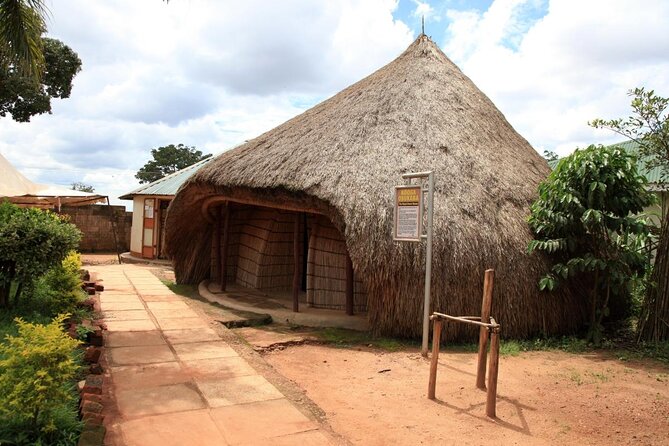
- Gertrude’s home setting: The class takes place at Steve Residence, where Gertrude and her son host the meal and conversation.
- Vegetarian menu: The food is based on plant ingredients, including matooke and a much-praised g-nut sauce.
- Small class size: A maximum of 10 people keeps the cooking practical rather than crowded.
- Four hours from start to finish: The time includes preparation, cooking, conversation, and eating together.
- A useful Kampala transport check: The meeting point is on Little Muheji School Road in Nansana, and the experience ends where it begins.
Peeling cassava and learning the Ugandan food basics
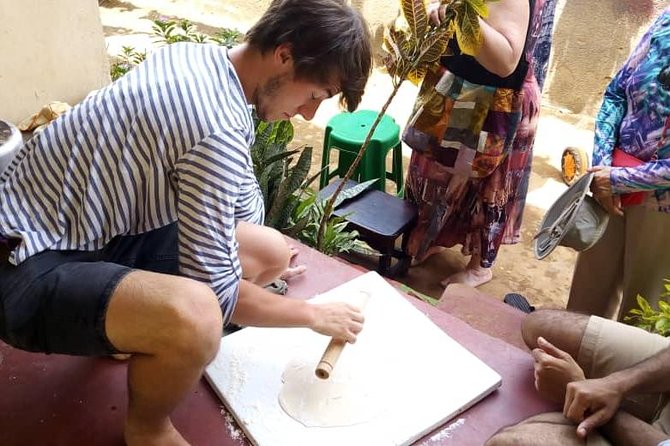
This class starts with the work that makes a home-cooked meal possible. You handle local produce such as cassava, yams, pumpkin, and plantains, learning how each ingredient is peeled and prepared before it reaches the cooking pot.
That detail matters. A food tour that only gives you a finished plate can tell you what Ugandan food tastes like. This class shows you the steps behind it. You get a better sense of the time, tools, and practical skills involved in everyday cooking.
Gertrude explains how the vegetables are cooked, and you take part rather than standing at a distance. The group size, capped at 10, should make it easier to ask questions and get your hands on the work. It is still a small workshop, not private tuition, so the amount of individual instruction can depend on the size of your group.
The ingredients also give the class a clear local character. Cassava, plantains, pumpkin, and yams are not decorative additions. They form the center of the meal, which makes the lesson useful if you want to recreate some of the dishes at home.
More things to do in Kampala:
- Kampala’s Best Experience walking tour
★ 5.0 · 137 reviews - Kampala Walking City Tours (Women Guided)
★ 5.0 · 115 reviews - Kampala Walking Tour (3 Hours) with Optional Gaddafi Mosque Visit
★ 5.0 · 112 reviews
Matooke, banana leaves, and a meal with a sense of place
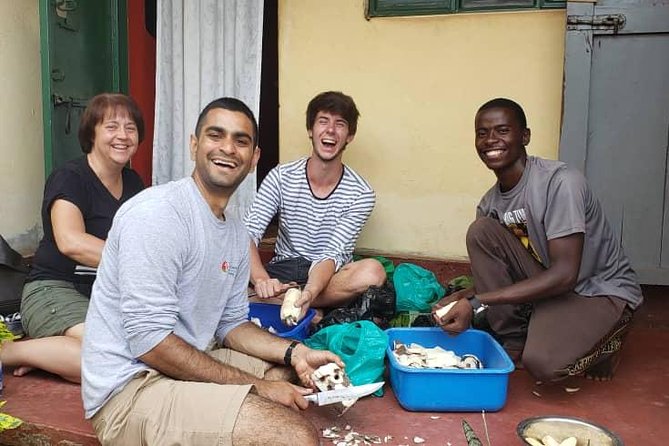
Matooke is one of the key dishes you can expect to prepare. The cooking process includes banana leaves, which add an important local touch and help you understand how traditional Ugandan food is handled and served.
I like this part because the cooking method is as instructive as the recipe. Banana leaves connect the food to the surrounding plants and to household cooking traditions. They also make the meal feel distinctly Ugandan rather than like a generic international cooking class with local ingredients added at the end.
The food is purely vegetarian, with plant-based staple dishes at the center. If you are looking for meat cookery, this is not the right class. If you enjoy vegetables, starchy staples, and sauces, the format gives you a focused introduction to a side of Ugandan food that can be missed on a standard restaurant visit.
The final meal includes the dishes you helped prepare. You sit down after the work is done, which gives the class a natural rhythm: prepare, cook, talk, then eat. That shared meal is not an extra tasting squeezed into the schedule. It is the payoff for the morning or afternoon’s work.
G-nut sauce and the pleasure of cooking from scratch
One especially appealing part of the food is the g-nut sauce. It has been singled out as a favorite, and it adds a strong reason to pay attention during the preparation. Ask Gertrude to explain the sauce carefully so you can remember the method when you return home.
You may find that the class is most useful when you treat it as a lesson in technique, not just a recipe handout. Watch how the ingredients are handled, how the vegetables are cooked, and how the sauce is brought together. Exact measurements may matter less than learning the feel of the process.
The meal is also a good chance to try foods in their normal setting. You are not being served tiny samples under restaurant conditions. You are eating the kind of plant-based dishes that fit into a traditional home meal, prepared with the person who taught you how to make them.
Because the class lasts about four hours, there is room for conversation while the food cooks. You can ask about the ingredients, the meal, and Kampala. The pace should suit people who like to talk and learn, though it may feel slow if you only want a quick food tasting.
Gertrude’s home and the human side of the class
The strongest feature of this experience is the host-led setting. Gertrude welcomes you into her home, and her son may join the activity. The atmosphere is social and personal, with time for chatting, dancing, and sharing stories as well as cooking.
That can make this feel quite different from a formal culinary school. You are not only learning what goes into the food. You are seeing how hospitality works in a family setting. The home environment also leaves room for simple moments that are hard to schedule on a standard sightseeing tour.
Gertrude has been described as communicative and willing to help with transport arrangements. Still, you should confirm the pickup or meeting details before setting out. The published meeting point is Steve Residence, Little Muheji School Road, Nansana, Uganda, and the activity ends back there.
A view from the home has also been noted as a pleasant bonus and a possible photo spot while the food cooks. Do not treat that as the main reason to book, since the class is first and foremost about food and hosting. But it gives you another reason to keep your camera ready during the waiting periods.
A few more Kampala trips to weigh up
- Private Ugandan Food Cooking Class and Culture Experience
★ 5.0 · 6 reviews - Like a local cooking Tours
★ 4.0 · 4 reviews
Four hours that reward an unhurried morning
The experience lasts about four hours. The schedule is built around several connected parts:
- Preparing and peeling local produce
- Learning how the vegetables are cooked
- Making traditional vegetarian dishes
- Using banana leaves as part of the preparation
- Spending time with Gertrude and her son
- Sitting down to eat the completed meal
The exact order may vary with the cooking process. Some dishes take time, so conversation and observation are part of the experience rather than signs that nothing is happening.
I would plan this as a half-day activity, not something to squeeze between two tightly timed Kampala stops. The class begins and ends at the same meeting point, but getting to Nansana and returning to central Kampala will add time beyond the four-hour activity itself.
The class is capped at 10 people. That is large enough for a social atmosphere, but small enough that the session should remain workable. If you are traveling alone, the group format gives you company. If you are with friends or family, you can share the preparation without turning the kitchen into a crowd.
What the $32 price gets you
At $32 per person, this is a reasonable value if you want more than a plate of food. You receive a four-hour activity, practical instruction, ingredients to prepare, and a sit-down vegetarian meal. You also get time with a local host in a home setting, which is the part that gives the experience its character.
The value is less clear if your main aim is simply to eat cheaply. Kampala offers other ways to sample local food, and a cooking class asks you to spend part of the day working. You are paying for access, instruction, conversation, and participation rather than just for the cost of lunch.
The small-group limit helps support the price. Gertrude can explain the preparation to a manageable number of people, and you have a better chance of taking part in the peeling and cooking. A larger group would make the experience cheaper to run but less personal.
Booking patterns suggest that the activity is often reserved about eight days ahead. That is a useful planning guide, especially if your Kampala schedule is fixed. I would book before arriving rather than assume there will be space at the last minute.
Getting to Nansana and planning your day
The meeting point is Steve Residence on Little Muheji School Road in Nansana. The experience is near public transportation, but you should still check the route and allow extra time, since the meeting point is not described as being in central Kampala.
Gertrude has helped arrange transportation for at least some visitors, but transport is not presented as a standard included feature. Ask about the best way to reach the home when you book. This is one of those small practical questions that can prevent a rushed start.
The activity returns to the meeting point at the end. That makes it easier to plan your next stop, but only after you allow for the journey back toward central Kampala or elsewhere in the city.
Good weather is required. If poor weather forces a cancellation, you can choose another date or receive a full refund. The outdoor or weather-sensitive parts are not explained in detail, so it is sensible to keep some flexibility in your Kampala schedule.
Who will enjoy this cooking class most
I would recommend this experience to you if you like learning through your hands. It suits people who want to understand local food beyond restaurant menus, especially visitors who enjoy vegetables, sauces, and filling traditional staples.
It is also a good fit if you value personal contact. The time with Gertrude and her son, the home setting, and the shared meal create a more intimate experience than a standard city food stop. You should be comfortable with a friendly, informal setting rather than expecting a professional demonstration kitchen.
Families and small groups may enjoy the practical work, though the supplied information does not specify a minimum age or child policy. Ask before booking if you are traveling with children.
I would be less likely to suggest it to you if you want a fast, highly structured tour, a meat-focused menu, or a central Kampala location. The four-hour length and Nansana meeting point require a real commitment of time.
What to remember after the meal
Bring attention to the preparation, not just the finished food. Notice how local produce is peeled and sliced, how banana leaves are used, and how the vegetables change during cooking. Those details are what make the class useful when you try to repeat a dish later.
You can also ask Gertrude about the g-nut sauce, since it is one of the most memorable parts of the meal. If you want to cook Ugandan food at home, this is the sort of recipe and technique worth writing down.
The social side deserves equal weight. Conversation, dancing, stories, and time with Gertrude and her son are part of the experience. You are not simply buying a cooking lesson. You are setting aside half a day to share food and time in a Kampala home.
Should you book this Kampala cooking class?
Book it if you want hands-on Ugandan cooking, a vegetarian meal, and genuine time with a local host. Gertrude’s warm hospitality, the use of banana leaves, the g-nut sauce, and the chance to cook in a home give the experience more personality than a standard food demonstration.
Think twice if you have limited time in Kampala, dislike vegetarian food, or do not want to travel to Nansana. For everyone else, $32 buys a useful and sociable half-day, with skills and food you can carry beyond the meal.
FAQ
Where does the cooking class take place?
The class starts at Steve Residence, Little Muheji School Road, Nansana, Uganda.
Where does the activity finish?
The experience ends back at the meeting point at Steve Residence.
How long does the cooking class last?
The activity lasts approximately four hours.
How much does the class cost?
The listed price is $32 per person.
How many people can join the class?
The activity has a maximum of 10 participants.
What type of food do you prepare?
The class focuses on traditional Ugandan vegetarian food, including dishes such as matooke.
Which ingredients might I prepare?
You may peel and slice local produce including cassava, yams, pumpkin, and plantains.
Will I eat the food I prepare?
Yes. The class includes a sit-down meal based on the traditional dishes prepared during the activity.
Is the meeting point near public transportation?
Yes. The meeting point is described as being near public transportation.
Can I cancel for a full refund?
You can cancel at least 24 hours before the local start time for a full refund. Cancellations or changes made less than 24 hours before the start time are not accepted for a refund. If poor weather causes the activity to be canceled, you will be offered another date or a full refund.
More Workshops in Kampala
- Kampala: Hands-On Chocolate Making Experience
★ 4.9 · 18 reviews
More Food Tours in Kampala
- Kampala: Three-Hour Food Tour
★ 4.6 · 15 reviews - Nighttime Boda Boda Street Food Tour
★ 5.0 · 6 reviews - Fishing Village Food Tour & Luwombo Stop
★ 5.0 · 3 reviews
Just added around Kampala
- Kampala Pub Crawl | Uganda | 4 hours★ 5.0 · 4 reviews
- Kampala Guided walking Tour★ 5.0 · 4 reviews
- Kampala Urban Adventure – Walking Tour★ 5.0 · 3 reviews
- Day and Night City Tours in Kampala★ 5.0 · 4 reviews
- Kampala:Guided walking tour★ 5.0 · 7 reviews
- The best Kampala walking experience tour★ 3.7 · 4 reviews
- Kampala: Private Guided City Tour with vehicle Transfers★ 4.7 · 3 reviews
- Kampala: Luxury City Tour with Hotel Pickup and Drop-Off★ 5.0 · 3 reviews
Kampala Tours, compared.
Free Female Guided Walking Tours Kampala (3 Hours)
Read our review →Browse the lists this tour appears in