
Reviewed · KAMPALA TOURS
Half day Kampala City Motor Bike Tours
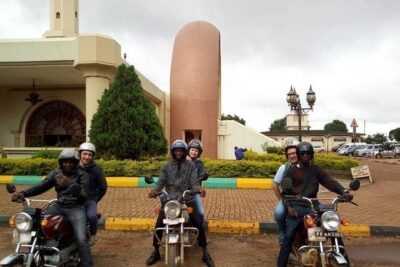
Kampala makes most sense at street level, and this tour puts you there on a motorbike or on foot. In one long half-day, you move from the high lookout of Gaddafi National Mosque to Owino Market, a craft stall, a local food stop, and the old Buganda royal grounds. Guides Jesh and Umuru lead the experience.
I like the mix of major sights and ordinary city life, especially the market, local meal, and stop in Katanga. I also like that you can ask to visit places that matter to you, rather than follow a rigid sightseeing script. The main drawback is the loose five-to-eight-hour length, plus extra admission charges at the mosque and Kabaka’s Palace.
Key points to know before you book
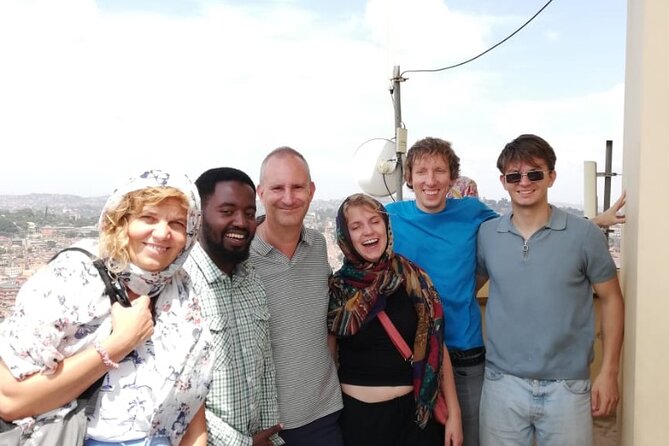
- Gaddafi Mosque gives you a high view of Kampala: The tower offers a 360-degree city panorama, but admission is extra.
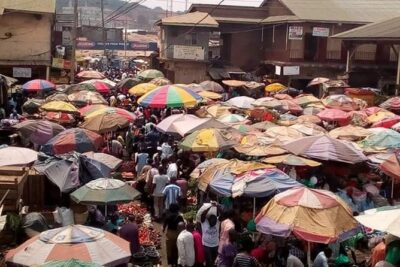
- Owino Market brings you close to daily commerce: Expect food, clothing, produce, herbal remedies, and plenty to look at in a short visit.
- The tour includes local food and snacks: Water and snacks are included, while the meal stop gives you a taste of Ugandan cooking.
- You see both heritage sites and living communities: Kabaka’s Palace, Makerere University, Katanga, and Bagala Craft each show a different side of Kampala.
- You can ride or walk: That choice matters if you prefer a slower pace or find a full motorbike day tiring.
- The $35 price covers a lot of ground: It is strongest value if you want an overview of Kampala and do not mind paying separately for two major attractions.
Why this Kampala tour feels different from a standard city drive
Kampala is not a city you understand from a bus window. Its roads, markets, religious buildings, university grounds, royal sites, and informal settlements sit close together, but they tell very different stories. A motorbike lets you move between them without making the day feel like a string of distant stops.
The experience also allows walking. That is useful at places such as Owino Market, the Uganda Museum, and Bagala Craft Market, where you will get more from slowing down than from simply arriving, taking a photo, and leaving.
Guides Jesh and Umuru are named as the guides for this experience. One past booking described the service as excellent and specifically praised the men with motorbikes. That is a small but useful detail for anyone who values a personal guide rather than a large coach tour.
The maximum group size is listed as 100, though a motorbike experience may be arranged in smaller riding units. I would confirm how your group will be organized before booking, especially if you want a quieter day or need to stay with a particular companion.
More things to do in Kampala:
- Kampala’s Best Experience walking tour
★ 5.0 · 137 reviews - Kampala Walking City Tours (Women Guided)
★ 5.0 · 115 reviews - Kampala Walking Tour (3 Hours) with Optional Gaddafi Mosque Visit
★ 5.0 · 112 reviews
Gaddafi National Mosque and the best city view
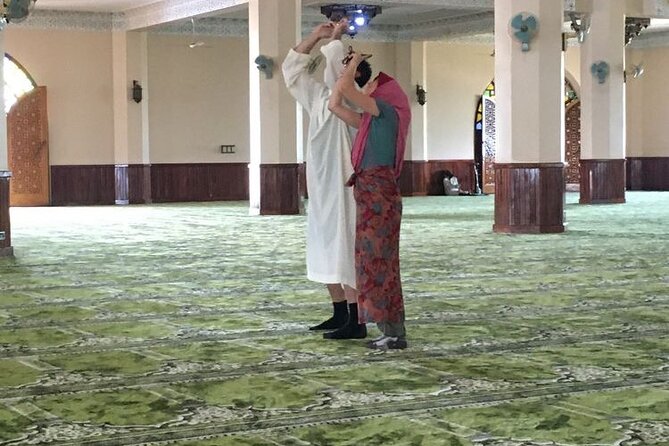
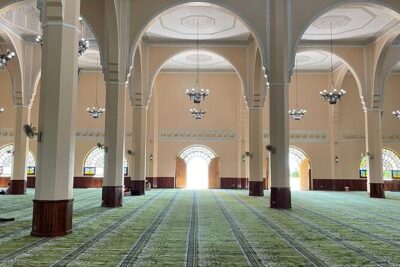
The first major stop is Gaddafi National Mosque, described as the largest mosque in East Africa. Its design blends European, Asian, and African influences, giving you more to study than a single architectural style.
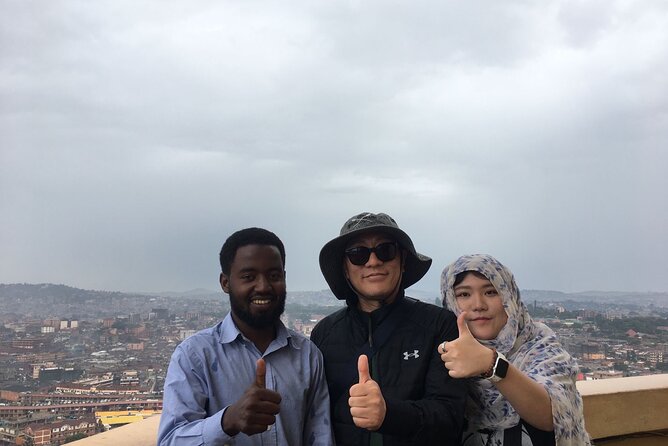
The strongest reason to visit is the tower. You can climb it for a 360-degree view across Kampala, which helps you understand the city’s spread before the rest of the tour begins. From above, the city is not just a collection of attractions. You get a sense of its hills, crowded central districts, and wide reach.
Allow about an hour here. Admission is not included, so bring extra money for this stop. The mosque is a religious site, so dress and behavior should be respectful. The tour information does not specify a dress code, so ask the guide before arrival if you are unsure.
This is one of the places where the motorbike format helps. You are not spending the whole day inside formal museums. You get a strong view, some architecture, and then move on into the working city.
Independence Monument and Uganda’s road to self-rule
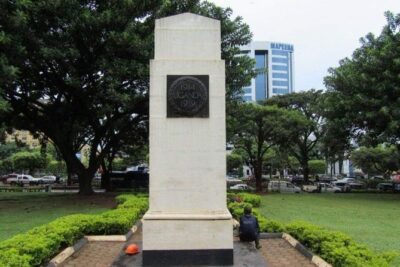
The Independence Monument takes about 30 minutes and costs nothing to enter. It was created by Makerere University artist Gregory Maloba in 1962, the year Uganda gained independence.
The sculpture shows a figure lifting a child. That image represents the birth of an independent Uganda and the end of colonial rule. It is easy to treat a monument like this as a quick photograph, but the symbol deserves a few minutes of attention.
A display area also explains the path toward independence and points to important events in Uganda’s political story. This stop is short, but it gives the rest of the day some context. After seeing the monument, you are better prepared to understand the country’s institutions, royal traditions, and public spaces.
Owino Market, where Kampala gets practical
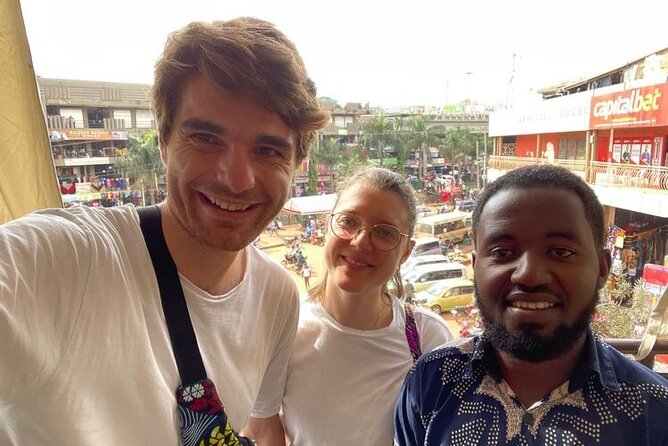
Owino Market, also called St. Balikuddembe Market, is one of the largest markets in Uganda. The planned visit lasts about 40 minutes, which is enough for a first look but not enough to explore every corner.
You can expect stalls selling fruit, vegetables, grains, meat, spices, secondhand clothing, shoes, bags, and accessories. You may also see herbal medicines and cooked food. The market serves local shoppers first, so this is not a staged tourist display. It is a working place where people buy what they need at affordable prices.
I like this stop because it gives you a clearer picture of Kampala’s economy than a polished shopping center would. Watch how goods move, notice the range of food, and stay close to your guide. With a short visit, you will need to accept that you are getting an introduction rather than a full market tour.
If you want to buy something, ask about prices and take your time before deciding. The information does not specify that purchases are included, so treat shopping as your own expense.
More cycling days around Kampala:
- Kampala: Lake Victoria Island Cycling Tour
★ 4.7 · 21 reviews - KAMPALA MOTOR BIKE TOURS (boda boda tours)
★ 4.5 · 6 reviews - 3 Hours Guided Cycling Tour Across Lake Victoria
★ 5.0 · 151 reviews - Lake Victoria Island Cycling Tour from Kampala
★ 5.0 · 120 reviews
Uganda Museum and the story behind the objects
The Uganda Museum was founded in 1908 and is described as the oldest museum in East Africa. A 40-minute visit gives you a compact look at Ugandan culture, archaeology, music, and early human history.
The collections include traditional musical instruments, tools used by different ethnic groups, archaeological items, fossils, and displays connected with important national events. This is a useful stop if you want more explanation behind the places you are seeing during the day.
The museum also balances the pace of the tour. After the noise and movement of central Kampala, you get a more orderly setting where you can focus on objects and interpretation. Forty minutes is not a long museum visit, so ask your guide which displays are most important if time feels tight.
Bahá’í Temple, a quiet pause above the city
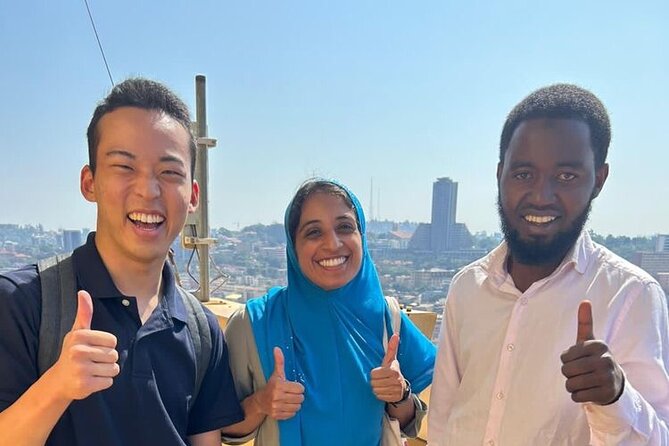
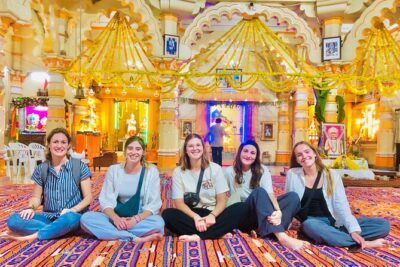
The Bahá’í House of Worship offers a very different mood. Its doors are open to people of all religions, reflecting the Bahá’í belief in the unity of humanity and faith.
The visit lasts about 45 minutes and admission is free. Inside, the setting is simple rather than heavily decorated. You remove your shoes as a sign of respect, then spend time in a place intended for prayer and quiet thought. Seating arrangements can vary, but the central point is the calm atmosphere and open welcome.
This stop works well after the market and museum. It gives you a pause without removing you from Kampala. You are not simply collecting buildings. You are seeing how different communities shape the city’s spiritual life.
Bagala Craft Market and buying from local makers
Bagala Craft Market focuses on handmade goods made by local artisans. A guide can explain how the crafts are produced, what materials are used, and what the pieces mean within local culture.
The planned stop is about 30 minutes. That is enough to browse and ask questions, but it may feel brief if you want to compare several items or shop carefully. Purchases are not listed as included, and buying directly from makers can give your spending a more direct local connection.
I would treat this as a chance to learn first and shop second. Ask who made an item and how it was produced. You will get more from the stop if you see the crafts as part of Uganda’s working culture, not just as souvenirs.
Katanga, a difficult but important view of Kampala
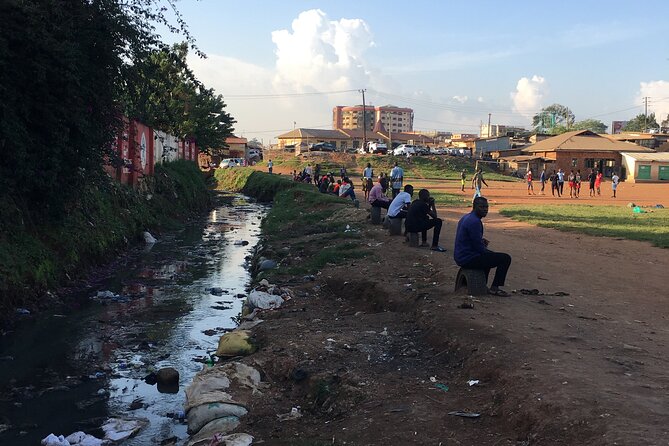
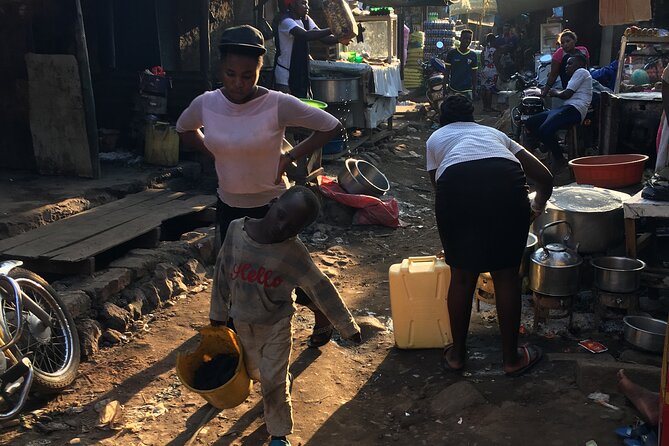
Katanga is a densely populated informal settlement where residents face poor sanitation, limited services, and difficult housing conditions. The planned visit lasts about 20 minutes.
This is the most sensitive stop on the route. You should approach it with respect, not as a place to collect dramatic photographs. The area also shows resourcefulness and community strength, but a short guided visit cannot explain every part of life there.
The inclusion of Katanga gives the day a more honest shape. Kampala is not only mosques, monuments, museums, and university buildings. It also includes communities working through serious daily problems. Listen to the guide, follow local guidance, and keep your attention on the setting rather than treating residents as scenery.
Kabaka’s Palace and Buganda’s royal past
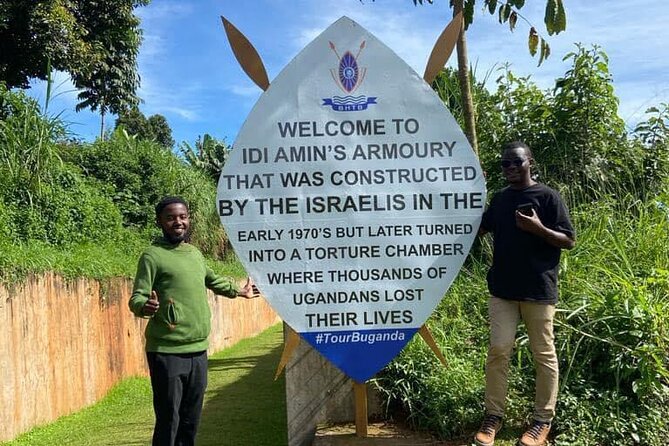
Kabaka’s Palace is one of the key cultural stops. The visit includes the former torture chambers associated with Idi Amin’s rule and an explanation of the Buganda Kingdom.
This is a powerful combination of royal history and modern political trauma. The palace helps you understand Buganda’s cultural importance, while the chambers show a darker chapter connected with Uganda’s past.
Admission is not included, so budget for a separate ticket. The planned visit lasts about 45 minutes. That gives you enough time for the main historical explanation, though anyone especially interested in Buganda may want to ask the guide for more detail.
This is one of the stops where a guide matters. The physical rooms alone cannot explain their meaning. Ask questions, especially if you want to understand the difference between the cultural role of the Kabaka and Uganda’s national government.
A local meal at Baguma NP and Family Restaurant
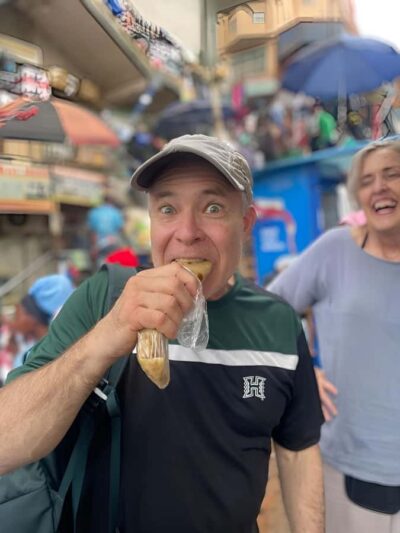
The tour includes a 40-minute break at Baguma NP and Family Restaurant for local food. Bottled water and snacks are included in the overall experience, so you will have something to drink and nibble on as you move around.
The restaurant stop is a practical part of the day, not just a sightseeing add-on. Local food gives you a direct way to connect with the place, and a seated break matters after several stops on foot or by motorbike.
The supplied details do not name the dishes served or say whether the restaurant meal itself is included in the $35 price. Ask before ordering so there is no confusion over the bill. If you have food restrictions, raise them with the guide before the meal.
Makerere University and the final change of pace
Makerere University is the oldest institution of higher education in East Africa and Uganda’s largest university. The planned visit lasts about 45 minutes.
You can see historic buildings, monuments, and green campus spaces. Cycling is mentioned as an option, while people who do not cycle can see the campus by motorbike. Since this tour already uses motorbikes, the stop gives you a relaxed way to view one of Kampala’s most important institutions.
Makerere adds a link between Uganda’s past and its present. The university has shaped education and public life across East Africa, while its grounds offer a quieter ending than the central market or palace area.
What the $35 price really covers
At $35 per person, this is a strong value if you want broad coverage in one day. You receive transport by motorbike or a walking option, bottled water, snacks, guiding, and access to a long list of city sights.
Two major admission costs are extra: Gaddafi National Mosque and Kabaka’s Palace. The other listed stops are free. You should factor those additional charges into your budget rather than treating the headline price as the entire cost.
The five-to-eight-hour duration is also important. This is not a quick two-hour city sampler. The range depends on the pace, traffic, walking, and the places you choose. If you have an evening flight or a fixed appointment, allow plenty of room.
The tour is best value for someone who wants variety. You see architecture, religion, politics, markets, food, crafts, education, royal culture, and urban hardship in one outing. It is less suited to someone who wants a slow, detailed visit to only one or two museums.
Practical advice for a smoother day
Wear comfortable shoes because some stops are on foot, even though the motorbike helps with longer movements. A moderate level of physical fitness is recommended, so expect a day with repeated getting on and off, walking, standing, and climbing at the mosque tower.
Keep your schedule flexible. The advertised duration can stretch from five to eight hours, and the route includes ten stops. Ask Jesh or Umuru at the start how long you will spend at each place and which stops can be adjusted.
Pickup is offered, and the activity provides a mobile ticket. Confirmation is sent at booking. The tour is near public transportation, which may help if you need to connect with another part of Kampala.
Free cancellation is available if you cancel at least 24 hours before the start time. Cancellations made inside that window are not refunded, and changes are not accepted during the final 24 hours. The cutoff uses Kampala local time.
Should you book this Kampala motorbike tour?
I would book it if you want a broad first look at Kampala and like the idea of moving between formal sights and everyday places. The mosque view, Owino Market, local food, Kabaka’s Palace, and Makerere University give the day a useful range, while the motorbike format keeps the route moving.
I would think twice if you dislike motorcycles, need a tightly timed schedule, or want a slow museum-focused day. The duration is long and flexible, two entrance fees are extra, and the Katanga visit calls for a respectful attitude.
For most first-time visitors with moderate fitness, the $35 cost is sensible. Ask how the group is divided, confirm the meal price, and agree on your preferred stops at the beginning. If you do that, this experience can give you a more grounded understanding of Kampala than a simple drive past its landmarks.
FAQ
How long does the Kampala motorbike tour last?
The experience lasts approximately five to eight hours. The final length can vary based on the route, pace, and time spent at each stop.
How much does the tour cost?
The listed price is $35 per person. Admission to Gaddafi National Mosque and Kabaka’s Palace is not included.
Is pickup available?
Yes. Pickup is offered, and confirmation is provided at the time of booking.
Can I walk instead of using a motorbike?
Yes. The tour can be experienced by motorbike or walking.
What is included in the tour?
Bottled water and snacks are included. The tour also includes the guided sightseeing experience, while admission to Gaddafi National Mosque and Kabaka’s Palace costs extra.
What is the cancellation policy?
You can cancel up to 24 hours before the start time for a full refund. Cancellations or changes made less than 24 hours before the experience are not accepted for a refund.
Just added around Kampala
- Kampala Pub Crawl | Uganda | 4 hours★ 5.0 · 4 reviews
- Kampala Guided walking Tour★ 5.0 · 4 reviews
- Kampala Urban Adventure – Walking Tour★ 5.0 · 3 reviews
- Day and Night City Tours in Kampala★ 5.0 · 4 reviews
- Kampala:Guided walking tour★ 5.0 · 7 reviews
- The best Kampala walking experience tour★ 3.7 · 4 reviews
- Kampala: Private Guided City Tour with vehicle Transfers★ 4.7 · 3 reviews
- Kampala: Luxury City Tour with Hotel Pickup and Drop-Off★ 5.0 · 3 reviews
Kampala Tours, compared.
Free Female Guided Walking Tours Kampala (3 Hours)
Read our review →Browse the lists this tour appears in