
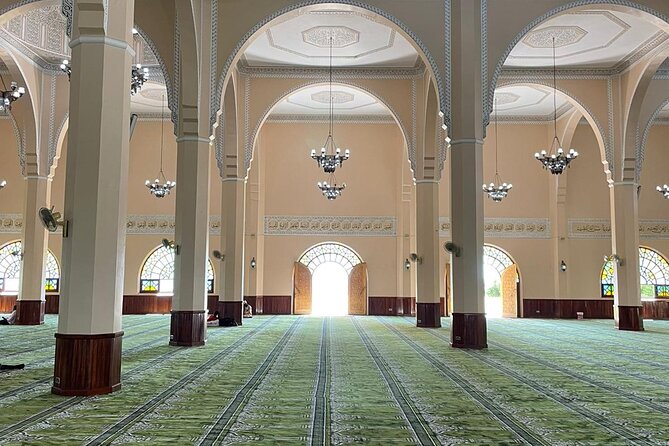
Reviewed · KAMPALA TOURS
Inside Kampala walking tour (Female guided)
Kampala makes far more sense when you walk it with someone who knows how its hills, markets, monuments, taxis, and religious sites fit together. This four-hour female-led tour moves from the Independence Monument and Muteesa II’s monument to Nakasero Market, Owino Market, and the Old Taxi Park, with street food along the way.
I like the local food stops, especially seasonal fruit and a street-side Rolex, Uganda’s chapati-and-egg snack. I also like the personal feel: guides such as Fridaus and Fatima explain the city, help with shopping, and give solo visitors extra confidence in crowded areas.
The trade-off is simple: this is a real city walk, not a polished sightseeing circuit. Kampala can be loud, crowded, and chaotic, and four hours is a brisk stretch on foot. Gaddafi National Mosque is optional and costs extra, though the minaret visit can be one of the day’s best moments.
Key points at a glance

- Female local guides: Fridaus and Fatima are named guides, with a focus on history, culture, safety, and practical help.
- Street food included: Taste seasonal fruit and Kampala’s famous Rolex during the walk.
- Markets with real character: Visit Nakasero and Owino markets, plus fabric and craft shops.
- Strong first-day overview: The route links monuments, transport hubs, religious sites, and shopping streets.
- Small-group format: Groups are limited to 10 people, allowing questions and personal attention.
- Optional mosque visit: Gaddafi National Mosque is not included in the price, but its minaret views add a memorable finish.
Why this walk is a smart introduction to Kampala
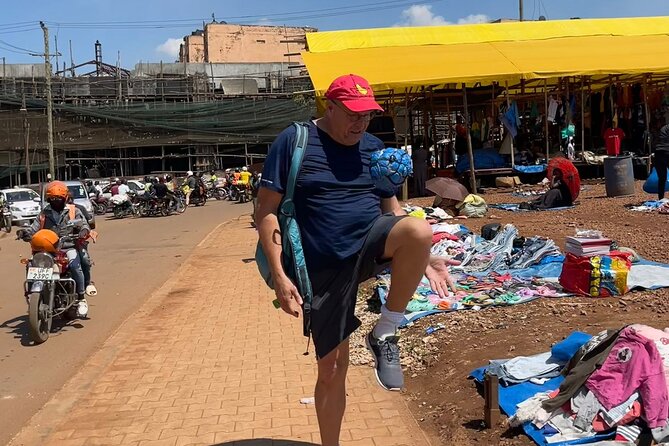
Kampala is not a city you understand from a car window. Its central districts are packed with markets, taxi routes, food stalls, religious buildings, monuments, and daily commerce. The appeal of this tour is that it puts those pieces together while a local guide explains what you are seeing.
You begin at Cariboo Restaurant and then set out on foot. The route covers central Kampala, with stops that show different sides of the city. You get public history at the monuments, working city life at the markets, religion at the Hindu temple and mosque, and local shopping at the craft and fabric stops.
I would book this early in a Kampala visit. It gives you a useful mental map and helps you decide where to return later. It also lets you ask basic questions that are harder to answer when you are exploring alone.
The small-group limit of 10 matters here. Crowded streets and markets are easier to manage when the guide can keep the group together and respond to individual questions. You should still expect a lively, sometimes untidy urban walk. This is part of the point, but it may not suit you if you want a quiet or slow-paced sightseeing day.
More things to do in Kampala:
- Kampala’s Best Experience walking tour
★ 5.0 · 137 reviews - Kampala Walking City Tours (Women Guided)
★ 5.0 · 115 reviews - Kampala Walking Tour (3 Hours) with Optional Gaddafi Mosque Visit
★ 5.0 · 112 reviews
Starting at Cariboo Restaurant and meeting your guide
Cariboo Restaurant is the stated starting point. From there, the guide leads you into central Kampala rather than transferring you between distant sights by vehicle. The activity is conducted in English, and the listed duration is four hours.
The guides named in the experience include Fridaus and Fatima. Fridaus receives particular praise for her warmth, humor, history explanations, help with photographs, and ability to adjust the pace. Fatima is also described as punctual, open to questions, and reassuring for someone who wants more confidence walking through the city.
That personal contact is one of the strongest reasons to choose this tour. You are not simply following a flag through a group. You can ask about Kampala, Uganda, food, shopping, religion, and the way the city is organized around Central Hill.
Leave room in your schedule. One participant arrived late because of city traffic, and the guide was able to accommodate it, but a late start could put pressure on a four-hour route. The exact starting time depends on availability when you book.
Independence Monument and Kampala’s public history
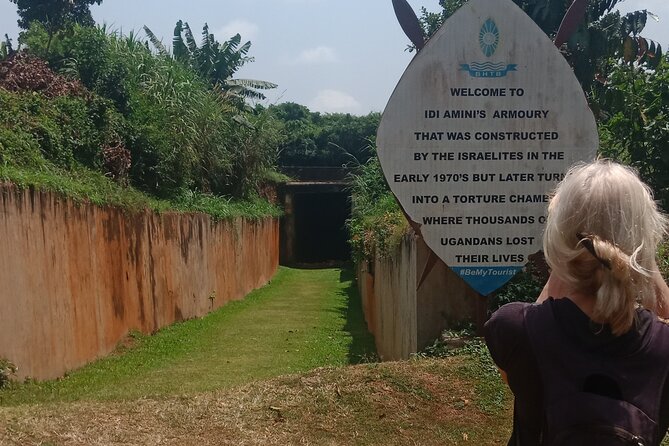
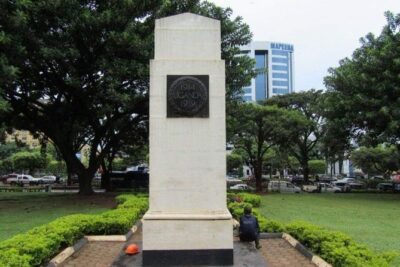
The first major stop is the Independence Monument. Admission is included, and the guide provides an explanation rather than treating it as a quick photo stop.
This is useful early in the walk because it gives you political and historical context before you enter the markets. You can connect the national story to the streets and institutions around you. The route also includes Sir Edward Muteesa II’s monument and the World War I and II monument, with admission listed as included for each.
These monuments serve different purposes, and together they create a broader picture of Uganda’s past. Muteesa II connects the city to the Buganda kingdom and its royal history. The Independence Monument points to the country’s national story, while the war monument places Uganda within a wider international past.
Do not expect a long museum-style presentation at each stop. The value comes from the guide’s spoken explanations and the way the monuments fit into the walk. If you enjoy history, this is a good place to ask questions. If monuments are not your main interest, the stops are short enough to keep the day moving.
Bagala Craft Market and Kampala’s fabric shops
The craft and fabric stops bring a practical side to the outing. Bagala Craft Market is included, and the route also passes African fabric shops. You can browse souvenirs, compare items, and ask the guide for help when you are unsure about quality or price.
That support is particularly helpful if you are shopping alone. Fridaus is described as helping with bargains and directing shoppers toward good-quality products. The guide can also explain what you are looking at, rather than leaving you to guess among similar designs and handmade goods.
Keep your expectations sensible. This is not presented as a private shopping trip or a luxury retail visit. It is a chance to look, ask questions, and buy something connected to your time in Uganda. You may find the market atmosphere more interesting than any single purchase.
If you dislike bargaining or crowds, you can keep this stop brief. If you enjoy buying fabric and small gifts, it may become one of the more useful parts of the tour. Bring enough attention for your surroundings, as shopping can easily distract you from the group.
More walking tours in Kampala:
- Steve Kampala Walking tours (Airpals Safaris tour)
★ 5.0 · 89 reviews - Inside Kampala Walking Tour (Female Guided)
★ 5.0 · 52 reviews - Kampala: City Guided walking sightseeing Tour
★ 4.7 · 52 reviews - Kampala Heart of Walking Adventure
★ 5.0 · 43 reviews
Nakasero Market and the taste of Kampala
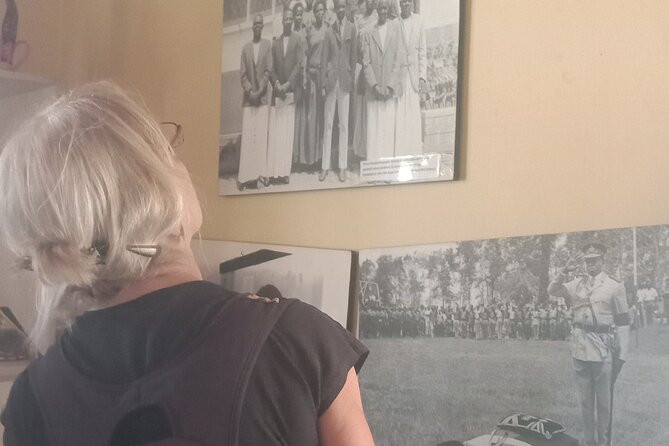
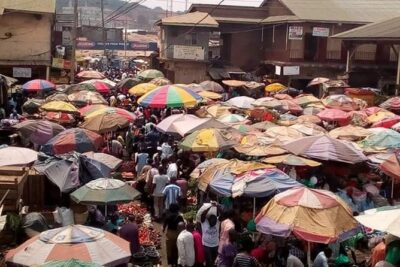
Nakasero Market is one of the day’s best stops for seeing everyday food commerce. The guide takes you through the market and introduces you to fresh, in-season fruit. The exact fruit selection depends on what is available, which is part of the appeal.
This is where the tour shifts from monuments to ordinary city life. You see how food enters the urban economy and get a closer look at products you might otherwise pass without recognizing. If you work in food or agriculture, the market may hold special interest, but anyone who likes local cooking will find it worthwhile.
The food tasting adds value to the $35 price. You are not only looking at Kampala, you are trying part of it. Ask the guide about the fruit, how it is used, and what local people commonly eat.
Hygiene standards can vary across any open market, and the supplied details do not promise a particular food setup. Use your own judgment, especially if you have a sensitive stomach. The experience specifically includes seasonal fruit and the famous Rolex, so you can decide what you feel comfortable tasting.
The Rolex and Kampala’s street-food culture
The Rolex is not a watch. It is a chapati wrapped around eggs, commonly eaten as a quick street meal. Tasting one gives you a direct link to Kampala’s casual food culture, and it is one of the most memorable details in this itinerary.
This is the sort of food experience that works well on a walking tour because it is simple, local, and tied to the streets you are exploring. You do not need a formal restaurant setting to learn something about the city. The guide can explain what makes the dish popular and help you approach the food with more confidence.
The tour also includes shared stories about Ugandan culture and city life. That makes the food stop more than a snack break. It gives you a chance to ask what people eat during a workday, how markets serve neighborhoods, and how Kampala’s street life works.
I would not book this solely for a culinary tour. Food is one part of a much broader route, and the exact tasting details are not fixed. But if you like trying local dishes, the Rolex is a strong reason to choose this experience over a standard monument tour.
The Hindu temple and Kampala’s religious mix
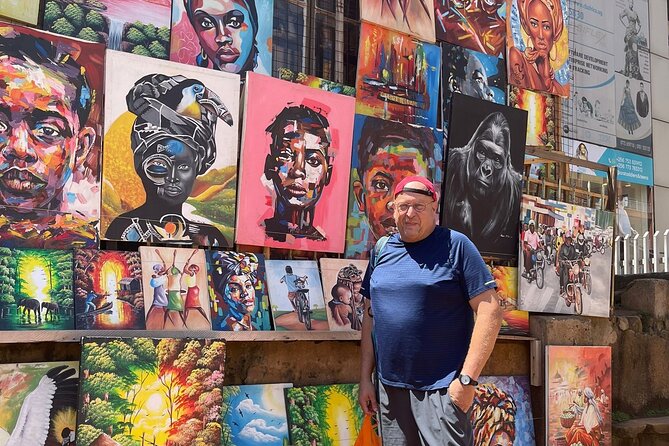
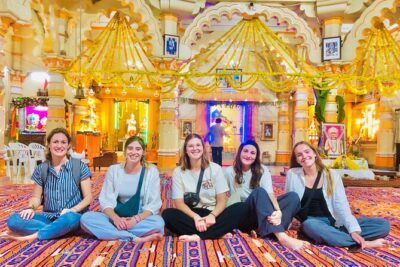
The route includes SSDM Temple in Nakasero. This religious stop adds a different layer to the day and prevents the tour from presenting Kampala as only a city of markets and traffic.
Your guide can provide context about the temple and its place in the city. The visit also works well beside the optional Gaddafi National Mosque because you see two distinct religious settings within one central Kampala walk.
Admission to SSDM Temple is included. The activity information does not specify a dress code or the length of the visit, so listen to your guide and follow the site’s instructions. As with any active place of worship, treat the setting respectfully and ask before taking photographs.
The temple stop may appeal most to you if you want to understand Kampala’s cultural mix. It is less about checking off a famous building and more about seeing how different communities shape the city.
Old Taxi Park and the city in motion
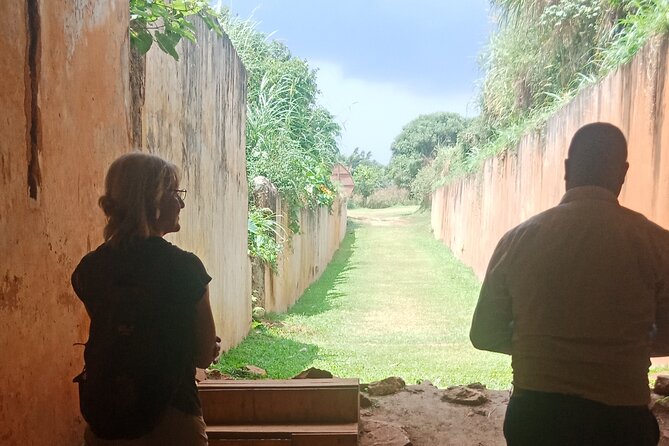
Kampala Old Taxi Park is one of the route’s most energetic stops. It shows the transport side of the city and gives you a better sense of how people move through central Kampala.
The taxi park can feel confusing if you encounter it alone. A guide helps you understand what you are looking at and keeps the visit from becoming a stressful search through a crowd. One participant specifically found the taxi place fun, which captures its appeal: it is busy, practical, and very different from a quiet landmark.
This is not a scenic stop. You come here for movement, sound, and the mechanics of city life. If you enjoy observing how a city works, it is valuable. If noise and crowds wear you down, this may be one of the harder sections of the walk.
Admission to the Old Taxi Park is listed as included. The main cost here is your energy and attention, not an extra ticket.
Owino Market and the most demanding part of the walk
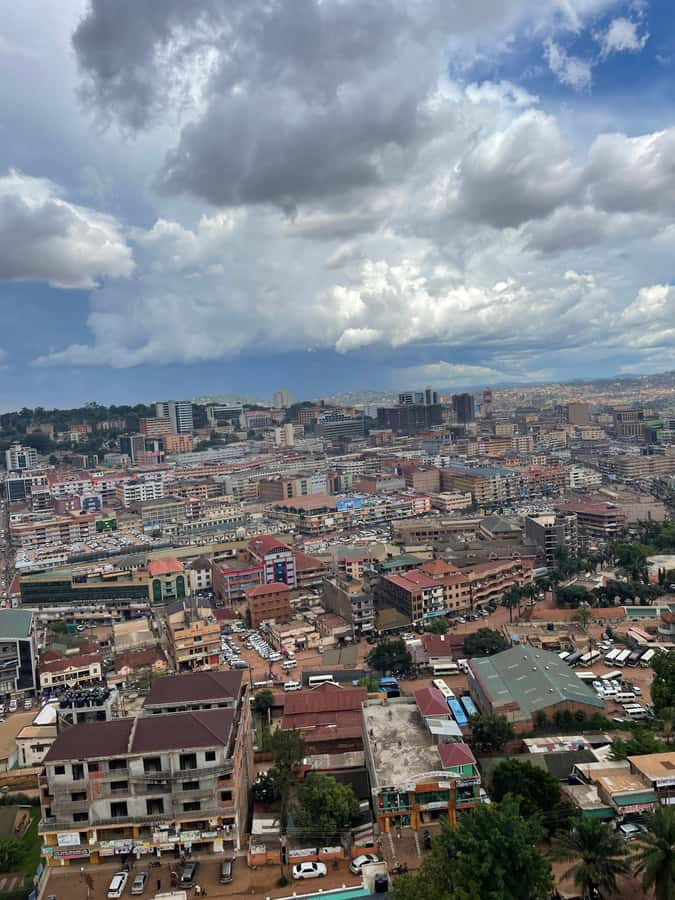
Owino Market, also called St. Balikuddembe Market, is another major stop. It brings you into one of the city’s most crowded commercial areas and shows Kampala at full volume.
The guide leads you through rather than leaving you to work out the route alone. That is important for a first visit. You can focus on the products, people, and trading activity without having to navigate every turn yourself.
This is also where you should be honest about your comfort level. The tour description itself presents Kampala as chaotic, and direct experience of the markets is likely to feel intense. Wear comfortable shoes, keep your belongings secure, and stay close to the guide. Those are sensible habits for any crowded market, and the small group makes them easier to follow.
The reward is access to a part of Kampala you might skip without local help. You see the city as a working place, not just a set of monuments for photographs. If you want a polished, quiet experience, this is not the right outing. If you want the real rhythm of central Kampala, it is central to the tour’s purpose.
Gaddafi National Mosque and the optional minaret climb
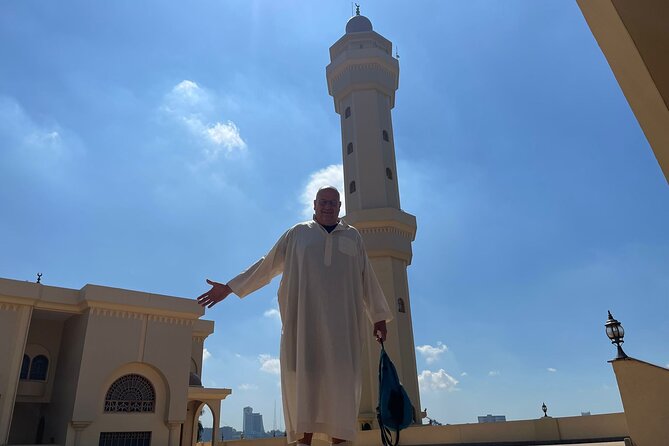
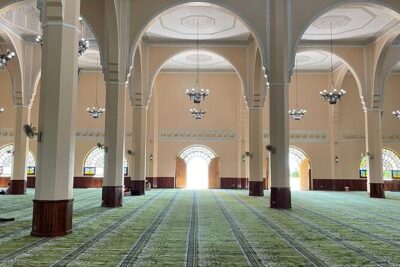
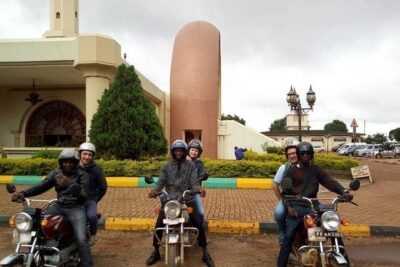
Gaddafi National Mosque is the optional final highlight. Admission is not included, so you should budget separately if you want to enter. The route information also notes that the mosque visit can include a climb up the minaret.
The view from the minaret was singled out as a fabulous part of the day. It gives you a useful way to understand Kampala after spending several hours on its streets. From above, the markets, roads, hills, and central districts can connect in your mind.
The mosque is a religious site, so respectful behavior is essential. The supplied details do not state the extra admission price, dress requirements, or whether every booking includes the minaret climb. Ask the provider when booking if this stop is important to you.
I would strongly consider adding it. The monuments explain Kampala’s past, the markets show its daily life, and the mosque’s height gives you a wider view of the city. It is the one extra that can turn a good walking tour into a particularly complete introduction.
What $35 gets you
At $35 per person, this is fairly priced if you want a guide rather than a simple walk through central Kampala. The fee covers four hours, a small group of up to 10, an English-speaking local guide, and admission to the listed monuments, markets, fabric shops, craft market, temple, and taxi park.
The price also includes the food element, with seasonal fruit and a Rolex described as part of the experience. Gaddafi National Mosque is the clear extra cost, so factor that in if you want the full route.
The value is strongest for first-time visitors, solo visitors, and anyone interested in markets and local life. You are paying for context, navigation, practical support, and access to places that can feel difficult to approach alone.
It is less compelling if you only want famous sights, private transport, or a slow photo tour. This is an active, people-focused walk. The city itself supplies much of the atmosphere.
You can reserve now and pay later, and cancellation is free up to 24 hours before the start for a full refund. Those terms make it easier to fit the experience into a changing Uganda itinerary.
Who should book this Kampala walk
I would choose this tour if you are visiting Kampala for the first time and want an early orientation. It also suits solo visitors who prefer the reassurance of a local female guide, shoppers who want help with fabrics and souvenirs, and food lovers who enjoy trying street dishes.
It is a good match for people who ask questions. The guides are praised for explaining history, helping with photographs, adjusting time at stops, and sharing stories about Kampala and its people. You will get more from the tour if you stay curious.
Think twice if you dislike crowds, markets, street food, or walking through busy urban areas. The route is not designed to hide the rough edges of Kampala. It brings you close to them, with a guide to help you make sense of what you see.
Should you book this tour?
Yes, if you want to understand Kampala through its streets rather than only its formal attractions. The combination of monuments, markets, food, worship sites, transport hubs, and shopping gives you a broad first look in four hours.
The best reasons to book are the female local guiding, the practical help in crowded markets, the included food tastings, and the chance to add Gaddafi Mosque and its minaret view. Fridaus appears to be the most frequently named guide, while Fatima is also available according to the experience details.
Book it early in your stay, wear comfortable shoes, and accept that Kampala will be noisy and untidy in places. If that sounds like the kind of city experience you want, $35 is good value. If you prefer quiet landmarks and set-piece sightseeing, choose something slower and more focused.
FAQ
Where does the Kampala walking tour start?
The tour starts at Cariboo Restaurant.
How long does the walking tour last?
The tour lasts four hours.
What language is the tour conducted in?
The live tour guide speaks English.
How large is the group?
The tour is a small-group experience limited to 10 participants.
Is Gaddafi National Mosque included in the price?
No. Entrance to Gaddafi National Mosque is not included.
Which markets are visited?
The route includes Nakasero Market and Owino Market. It also includes Bagala Craft Market and African fabric shops.
Is food included?
Yes. The experience includes tasting seasonal fruit and Kampala’s famous Rolex.
Which entrances are included?
Included admissions cover the Independence Monument, Sir Edward Muteesa’s monument, the World War I and II monument, Bagala Craft Market, Nakasero Market, SSDM Temple, the Old Taxi Park, African fabric shops, and Owino Market.
Just added around Kampala
- Kampala Pub Crawl | Uganda | 4 hours★ 5.0 · 4 reviews
- Kampala Guided walking Tour★ 5.0 · 4 reviews
- Kampala Urban Adventure – Walking Tour★ 5.0 · 3 reviews
- Day and Night City Tours in Kampala★ 5.0 · 4 reviews
- Kampala:Guided walking tour★ 5.0 · 7 reviews
- The best Kampala walking experience tour★ 3.7 · 4 reviews
- Kampala: Private Guided City Tour with vehicle Transfers★ 4.7 · 3 reviews
- Kampala: Luxury City Tour with Hotel Pickup and Drop-Off★ 5.0 · 3 reviews
Kampala Tours, compared.

Free Female Guided Walking Tours Kampala (3 Hours)
Read our review →Browse the lists this tour appears in