
Reviewed · HIKING & TREKKING
7 Days Rwenzori Summit (Margherita Peak) Hike
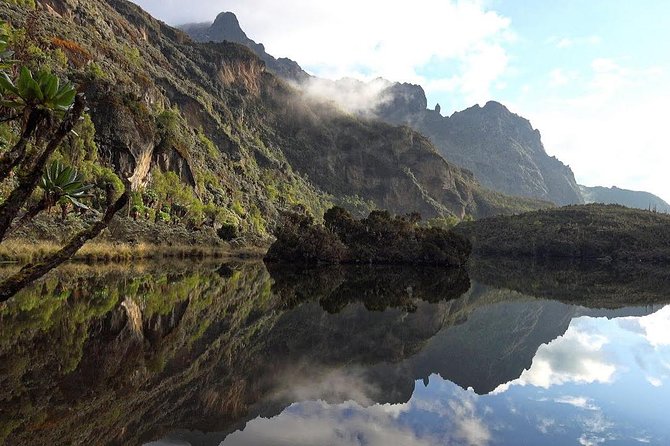
Margherita Peak is not a casual hill walk. This is a serious climb through Uganda’s Rwenzori Mountain National Park, where rainforest gives way to giant plants, cold rock, snow, and glacial scenery. The route reaches the summit of Africa’s third-largest peak, with seven to eight days allowed for the job.
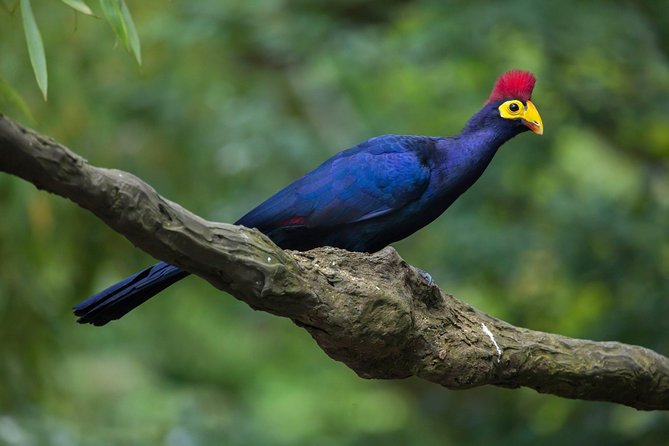
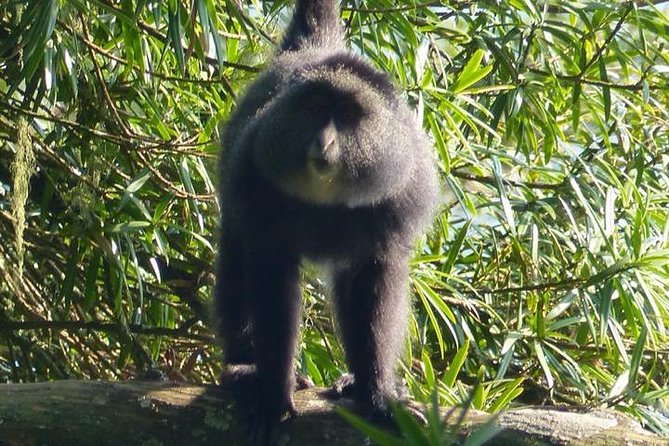
I like two things right away: the price includes the costly basics, from park fees and meals to hut accommodation and hiking gear, and you get a full support team of guides and park rangers. The access to unusual wildlife, including blue monkeys and three-horned chameleons, adds far more than a standard summit march.
The main catch is the difficulty. You need strong fitness, and the advertised seven-day plan can become eight days when a rest day is needed for altitude. The supplied gear also does not cover rain jackets or high-mountain trousers, so you still need to prepare carefully.
Key points to know before you book
- Margherita Peak requires real mountain fitness: This is a long, wet, steep trek with an exposed high-altitude summit section.
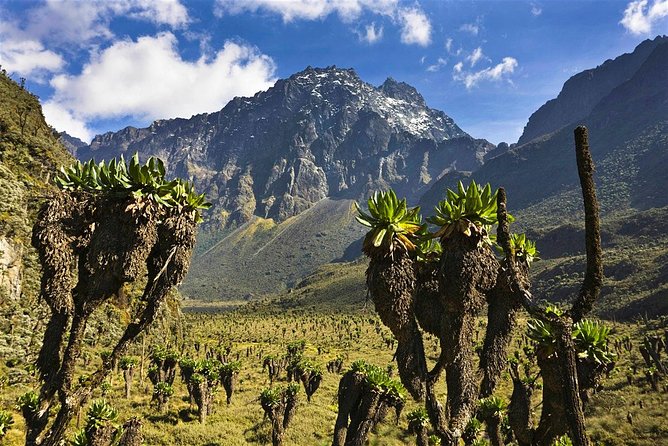
- The route changes dramatically: You move from rainforest and rivers to giant vegetation, alpine lakes, rock, snow, and remaining glaciers.
- Seven days may become eight: The schedule includes an extra acclimatization day when needed.
- The package covers major costs: Park fees, meals, bottled water, guides, rangers, hiking gear, and hut accommodation are included.
- A small group keeps support practical: The maximum group size is 15 people, large enough for company but still manageable on a demanding route.
- Pack rain protection: Rain jackets and high-mountain trousers are not included, and wet weather can make this climb much harder.
Why Margherita Peak is such a serious climb
The Rwenzori Mountains offer a different kind of African summit experience. You are not simply walking toward a dry, rocky peak. The route passes through several climate zones, beginning in warm forest and rising into cold high country with snow and glaciers.
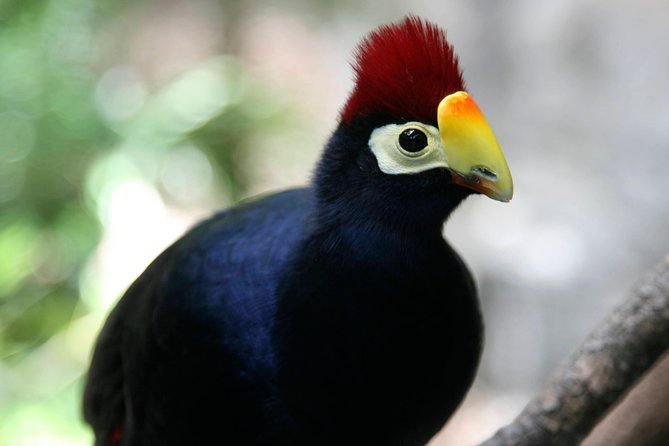
That changing scenery is one of the strongest reasons to choose this trip. You can watch the vegetation become stranger and more dramatic as you gain height. Blue monkeys and three-horned chameleons may appear in the lower sections, while waterfalls, rivers, alpine lakes, and unusual high-altitude plants shape the walk above the forest.
The summit itself is Margherita Peak on Mount Stanley. The itinerary also refers to the major peaks and high points of the central circuit, including Portal Peaks, Mount Gessi, Mount Emin, and Mount Speke. The exact summit experience depends on weather, fitness, and the judgment of the mountain team.
This is not the trip for someone who wants a relaxed Ugandan nature walk. The description calls for strong physical fitness, and that warning deserves attention. A long climb at altitude is tiring even when the trail is dry. In rainy conditions, mud, wet rock, and slippery ground can make progress much slower.
More hikes and treks in Uganda:
- 3 Days gorilla trekking Safari tour in Uganda
★ 5.0 · 121 reviews - 1 Day Sipi falls hike
★ 5.0 · 100 reviews - 8-Day Murchison Falls, Chimp and Epic Gorilla Trekking Safari
★ 5.0 · 72 reviews
Day 1: Nyakalengija to Nyabitaba Hut
The trek begins at Nyakalengija, at about 1,615 metres, and climbs to Nyabitaba Hut at 2,651 metres. This first day introduces you to the scale of the Rwenzori route without taking you straight into the harshest conditions.
You should expect a full walking day through lower mountain country, with the chance to see forest wildlife and hear plenty of water moving through the valleys. The gain in height is substantial, so you will feel that the climb has started. Still, Nyabitaba is a sensible first overnight stop before the route becomes colder and more demanding.
The huts are practical mountain accommodation, not hotel rooms. You are choosing this trip for access to the high country, not private comfort. Pack your sleeping essentials carefully and expect the support team to handle meals and camp logistics while you concentrate on walking.
Day 2: Nyabitaba, Mubuku River, and John Matte Hut
Day two continues from Nyabitaba, passing the Mubuku River at roughly 2,600 metres before reaching John Matte Hut at 3,380 metres. The route gains another large amount of height, and the air begins to feel different.
The river section gives the day a strong sense of place. Water is a constant feature of the Rwenzori trek, from rushing streams to waterfalls and wet trail sections. This is also where your footwear and rain protection start to matter more than they did on day one.
John Matte Hut is high enough that some people may notice the effects of altitude. Move slowly, drink regularly, and follow the guide’s pace rather than trying to prove anything early in the trip. You are still building toward the summit, and saving energy is part of good mountain judgment.
Day 3: John Matte Hut to Bujuku Hut
From John Matte Hut, the route climbs to Bujuku Hut, listed at about 3,962 metres, with another version of the schedule giving 3,977 metres. Either way, this is a high overnight stop and an important stage of the central circuit.
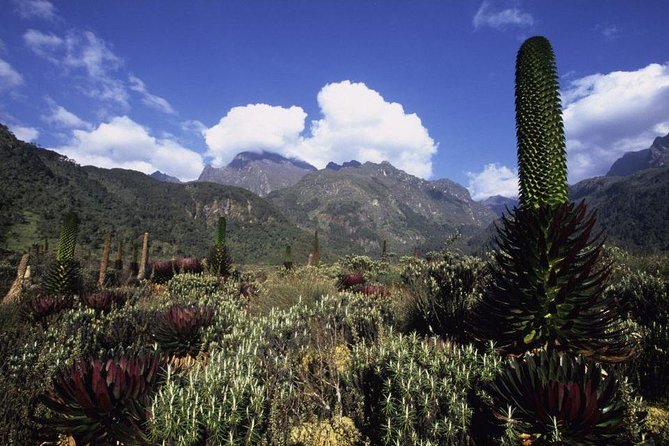
Bujuku is known in the route plan for its position among alpine scenery and lakes. You can expect the forest to feel more distant, with open high-country views replacing the lower woodland. The Rwenzori vegetation is part of the attraction here. It is not ordinary mountain scrub, and the strange plant forms make this route feel unlike a standard European or North American hike.
This day is also a useful test. If your pace has been too fast, the combination of height and accumulated fatigue will show. Let the guides set the rhythm. The company has received strong praise for its mountain staff, including guides associated with Emmanuel, Enoch, and John, and good support matters most on days like this.
A few more Uganda trips to weigh up
- 7-Day Murchison Falls, Chimps & Gorilla Trekking
★ 5.0 · 17 reviews - 7 Days Fort Portal Culture Tour Western Uganda
★ 5.0 · 6 reviews - 7 Days Flying Gorillas and Wildlife Safari Uganda Private Tour
★ 5.0 · 5 reviews - 7-Day Private Uganda Gorilla Tracking Safari Tour From Entebbe
★ 5.0 · 5 reviews
Day 4: Bujuku Hut to Elena Hut
Day four takes you from Bujuku Hut to Elena Hut at approximately 4,541 metres. This is a major gain in altitude and one of the days when the trip changes from a demanding trek into a high-mountain climb.
Elena Hut is a cold, high base for the summit attempt. The short list of included equipment is useful here because you do not need to bring every item of hiking gear yourself. Still, you should confirm exactly what the operator supplies before departure. Rain jackets and high-mountain pants are specifically excluded, and those are not minor items in a wet, cold range.
An acclimatization day may be included in the seven to eight-day version of the trek. This is a sensible adjustment, not wasted time. Strong hikers may complete the trip in six or seven days, but most people benefit from allowing the extra day. If the schedule changes, listen to the guides. The summit is not worth rushing toward if your body is struggling at altitude.
Day 5: Elena Hut to Margherita Peak and Kitandara Hut
Summit day is the heart of the trip. From Elena Hut, you climb toward Margherita Peak before descending to Kitandara Hut at about 4,027 metres.
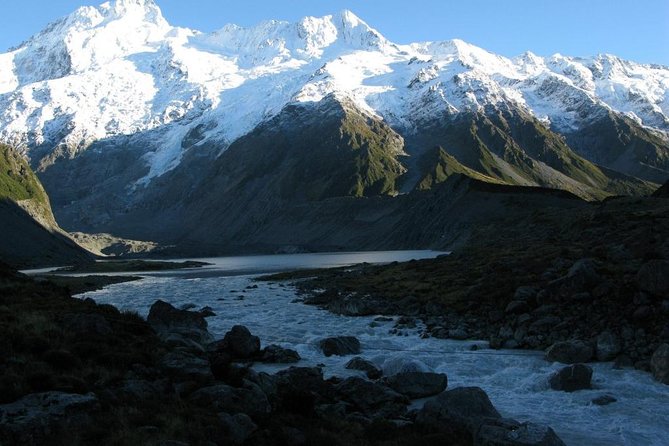
This is where the trek becomes most demanding. You may encounter snow and glacier terrain, and the supplied experience specifically refers to navigating a snow plateau. The weather can change the character of the route quickly. A clear, firm morning and a wet, difficult day require very different pacing and decisions.
The rewards are substantial. From the upper route, you can look across high peaks, alpine lakes, snow, and the remaining glaciers of the Rwenzori. The scenery is not the kind you get on an ordinary safari or forest walk. It is stark, cold, and striking.
Do not underestimate this day because the itinerary gives it one line. A summit attempt at more than 5,000 metres is physically demanding, especially after four days of climbing. The guides and park rangers provide hands-on assistance, but they cannot remove the effects of altitude or fatigue. Your job is to move steadily, communicate clearly, and accept a turnaround decision if conditions become unsafe.
Reaching Margherita Peak is not guaranteed simply because it is on the schedule. Weather and personal condition matter. That honest point should make the experience more appealing, not less. A professional mountain team knows that a safe return matters more than a photograph at the top.
Day 6: Kitandara Hut to Fresh Field Pass and Guy Yeoman Hut
After the summit, the route continues from Kitandara Hut to Fresh Field Pass at about 4,282 metres, then descends to Guy Yeoman Hut at approximately 3,450 metres.
This is still a demanding day. Descending on tired legs can be harder than climbing, especially when the trail is wet or uneven. The lower altitude should help, but do not expect an easy stroll. Keep your walking poles and waterproof layers close at hand.
Fresh Field Pass offers another change in scenery and a chance to look back at the high route. Guy Yeoman Hut gives you a lower overnight stop and some relief from the coldest conditions. By this point, the support of the guides, cooks, porters, and rangers becomes particularly valuable. Food is included three times daily, and bottled water is supplied for the week, so you can focus on recovering between walking days.
Day 7: Guy Yeoman Hut to Nyabitaba Hut
The seventh scheduled day descends from Guy Yeoman Hut to Nyabitaba Hut at 2,651 metres. It retraces part of the lower route, but the experience will feel different after the summit attempt.
You will likely notice the return of thicker vegetation and warmer air. The descent also gives you a chance to absorb the full variety of the central circuit: from unusual alpine country back toward the forest zone.
If the trip has used an acclimatization day, this becomes part of the extended seven to eight-day plan rather than a strict seven-day finish. The published schedule also lists this day separately, so you should confirm the exact departure plan before booking flights or onward transport.
Day 8: Nyabitaba Hut to Nyakalengija
The final walk descends from Nyabitaba Hut to Nyakalengija, dropping from about 2,651 metres to 1,615 metres. This is the official end of the mountain route, and the activity returns to its meeting point.
The final day may feel easier than summit day, but tired legs and wet conditions can still make it slow. Give yourself time to finish properly. The endpoint is not the place to schedule a tight connection, especially since the trek is described as lasting seven to eight days.
The stated meeting point is Trek Rwenzori Tours on Rukidi III Street in Fort Portal, with an 8:00 am start. Pickup is offered, and the activity ends back at the meeting point. If you are arranging a wider Uganda trip, the company has also organized airport transfers, safari, gorilla, and chimpanzee itineraries, but those are separate arrangements from this mountain package.
What the $1,435.90 price really covers
At $1,435.90 per person, this is not a cheap day excursion, but the price includes many costs that can quickly add up on a remote mountain trek.
You receive:
- National Park entrance fees for seven to eight days
- Breakfast, lunch, and dinner
- Bottled water
- Expert guides and park rangers
- Hiking gear
- Overnight hut accommodation
- Small-group support, with a maximum of 15 people
That makes the package easier to budget than a trip where every mountain cost appears separately. Meals, park access, staff, and equipment are not optional extras here. The included gear is especially useful if you do not own specialist trekking equipment.
You still need to budget for insurance, tips, visas, and flights. Rain jackets and high-mountain trousers are excluded, so ask for a clear gear list before you leave home. You should not assume that all gear included means every piece of clothing needed for freezing, wet conditions.
The value is strongest for people who want a guided, supported climb rather than an independent trek. You are paying for organization and mountain staff as much as for the bed and meals.
The support team and the practical side of the trek
Good organization is one of the most praised parts of this experience. Emmanuel is repeatedly associated with planning, transfers, communication, and wider Uganda itineraries, while Enoch and John are also named in connection with successful mountain trips. Other accounts point to friendly guides, cooks, and porters who helped keep the route moving.
That matters because Rwenzori trekking involves more than following a marked path. You need people who can judge pace, weather, altitude, and trail conditions. Park rangers add another layer of support, and the maximum group size of 15 keeps the operation from becoming unwieldy.
The small-group format does not mean a private trek. Fifteen people can still spread out on a difficult route, and the experience depends on the actual number booked for your dates. Ask how many people are expected and what gear is provided before paying.
The route is near public transportation, but pickup is offered. Use that option if you are arriving with luggage or connecting from another part of Uganda. The operators have also dealt with wider travel problems such as airport transfers and missing luggage, but you should still keep essential medication and a change of clothes in your personal bag.
Who should book this trek
You should consider this trip if you:
- Have strong physical fitness and experience with long hikes
- Want a demanding summit rather than a gentle nature walk
- Enjoy changing scenery, unusual plants, wildlife, and high mountain conditions
- Prefer a supported trek with guides, rangers, meals, and huts included
- Can allow flexibility for an extra acclimatization day
- Are comfortable with basic hut accommodation
You should think twice if you dislike wet weather, cold conditions, shared mountain huts, or long days on uneven ground. The route is not presented as easy, and the strongest praise for the guides often comes from situations where their judgment and encouragement were needed.
Rainy-season conditions can make the climb especially tough. One account describes the hike as one of the hardest ever attempted, with the guides’ judgment helping the climber reach the summit across snowy upper terrain. That is useful context: the staff can support you, but you still need to arrive prepared and fit.
Free cancellation is available when you cancel at least 24 hours before the local start time. Within 24 hours, the payment is not refunded, and late changes are not accepted.
Should you book the seven-day Margherita Peak hike?
Book it if Margherita Peak is a serious goal and you want a local team to handle the demanding parts of the operation. The combination of mountain staff, park rangers, meals, bottled water, huts, park fees, and equipment gives the $1,435.90 price solid value for a remote summit trek.
Do not book it simply because the trip is called seven days. Plan mentally for seven to eight days, and prepare for a hard climb with cold, wet, high-altitude sections. Bring your own rain jacket and high-mountain trousers, confirm the equipment list, and leave room in your Uganda schedule for weather or acclimatization changes.
For a strong hiker who wants rainforest, rare mountain plants, alpine lakes, snow, and a real summit challenge, this is one of Uganda’s most distinctive active trips. For anyone seeking an easy holiday walk, choose something gentler.
FAQ
How long does the Margherita Peak trek take?
The trek is described as taking seven to eight days. Very experienced hikers may complete it in six to seven days, while most people may need an additional rest day for acclimatization.
What is included in the price?
The price includes National Park fees for seven to eight days, breakfast, lunch, dinner, bottled water, expert guides, park rangers, hiking gear, and overnight hut accommodation.
Are rain jackets and high-mountain trousers included?
No. Rain jackets and high-mountain pants are specifically excluded, so you need to bring or arrange them separately.
Where does the trek start and finish?
The meeting point is Trek Rwenzori Tours on Rukidi III Street in Fort Portal, Uganda. The activity ends back at the meeting point, and pickup is offered.
How many people can join the group?
The maximum group size is 15 people.
What fitness level is required?
The activity states that you should have a strong physical fitness level. The route includes long climbs, high altitude, snow and glacier conditions, and a demanding summit day.
Just added around Uganda
- Uganda: 1-Day Murchison Falls Park Safari with Boat cruise★ 5.0 · 3 reviews
- Uganda Equator Tour From Kampala To Kayabwe★ 5.0 · 4 reviews
- Uganda: 2-Day Murchison Falls Park Safari with Boat cruise★ 5.0 · 7 reviews
- 7 Days Fort Portal Culture Tour Western Uganda★ 5.0 · 6 reviews
- Coffee Tour Experience★ 5.0 · 5 reviews
- Hot Springs Exploration and Hike Craters★ 5.0 · 6 reviews
- 2 Days Abseiling and Rock Climbing★ 5.0 · 8 reviews
- Experience Chimpanzee Trekking in Budongo Forest★ 4.5 · 7 reviews
Hiking & Trekking, compared.
3 Days gorilla trekking Safari tour in Uganda
Read our review →
8-Day Murchison Falls, Chimp and Epic Gorilla Trekking Safari
Read our review →
5-Day Pearl of Africa Chimps and Gorilla Trekking Safari
Read our review →
3-Day Tour to Uganda – Gorilla Trekking Bwindi Forest
Read our review →
4-Day Uganda Gorilla Trekking and Wildlife Safari
Read our review →
Private 3 Day Gorilla Trekking Safari in Uganda
Read our review →
Browse the lists this tour appears in