Reviewed · SAFARI
12-Day Moderately Priced Pearl of Africa – Uganda Private Safari
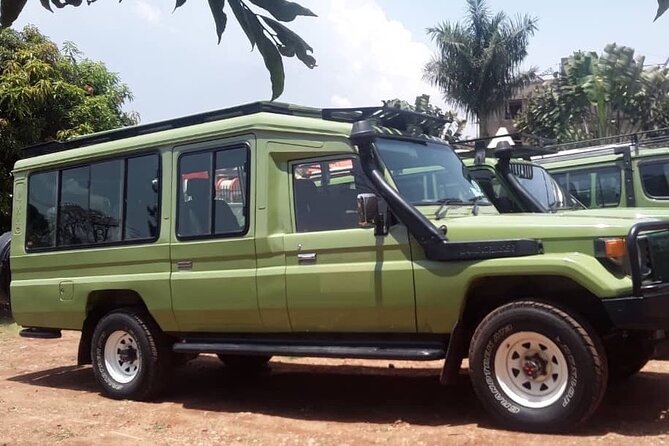
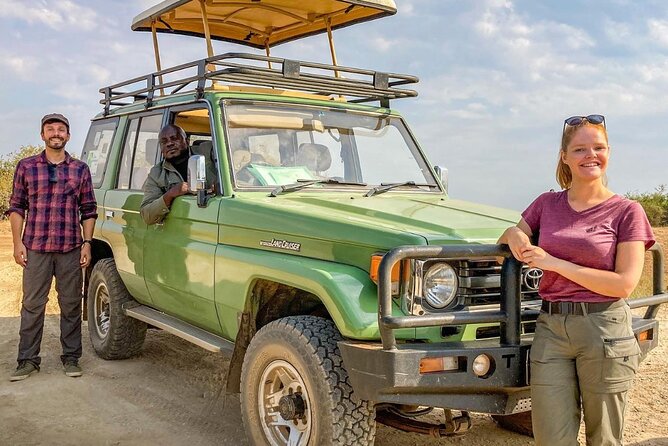
Uganda packs an astonishing amount into 12 days: a shoebill search by boat, rhinos on foot, Nile wildlife cruises, chimpanzee tracking, tree-climbing lions, and the main prize, mountain gorilla trekking in Bwindi. You travel in a private 4×4 with a pop-up roof, so your schedule stays flexible and your guide can pause when wildlife appears.
I especially like the mix of activities. You are not sitting in a vehicle every day: there are forest walks, boat safaris, a rhino trek, wetlands, and a salt-lick walk. I also like the route’s variety, from the huge Nile at Murchison Falls to the small islands of Lake Bunyonyi. The main caution is the pace. Long drives and early starts are part of the bargain, and the two major primate permits add $900 per person to the advertised $2,959 price.
Key points to know before you book
- Shoebills at Mabamba Wetlands: Search narrow swamp channels by fishing boat with a birding guide.
- Rhinos on foot at Ziwa: A ranger may bring you within about 10 meters of these huge animals during a 90-minute trek.
- Chimpanzees and gorillas: The chimpanzee permit costs $200, while the gorilla permit costs $700, and both are separate from the tour price.
- Two excellent boat safaris: Cruise the Nile at Murchison Falls and the Kazinga Channel at Queen Elizabeth National Park.
- Private travel with named guide options: Guides such as Sula and Gerald have led this route, while Jesse and Tom have handled trip planning.
- A full final stretch: Lake Bunyonyi gives you downtime before Lake Mburo, the Equator stop, and the return to Kampala or Entebbe.
What the $2,959 price really covers
At first glance, $2,959 per person is a fair mid-range price for a private 12-day Uganda safari. It includes lodging, meals, airport transfers, a private 4×4 safari vehicle, an English-speaking driver-guide, park entry fees, game drives, walking activities, bottled water, the Murchison Falls and Kazinga Channel boat safaris, the rhino trek, and the Mabamba and Bigodi activities.
The important catch is the primate permits. Add $700 for gorilla trekking and $200 for chimpanzee tracking, and the known cost becomes at least $3,859 per person before the stated visa fee, drinks, laundry, and insurance. That is still a useful package for a private safari, but you should compare the full figure rather than the headline price.
Meals are unusually well covered. The package includes 11 breakfasts, 11 dinners, and 12 lunches, including meals taken away from the lodges. Bottled drinking water is supplied during drives, which matters on long road days.
The tour uses moderately priced accommodation rather than luxury camps. Named examples include Enganzi Game Lodge near Queen Elizabeth National Park and Rwakobo Rock Lodge near Lake Mburo. You should expect comfort and a good setting, but not a high-end lodge experience at every stop.
A few more Uganda trips to weigh up
- 3 Days gorilla trekking Safari tour in Uganda
★ 5.0 · 121 reviews - 8-Day Murchison Falls, Chimp and Epic Gorilla Trekking Safari
★ 5.0 · 72 reviews - 3 Days Murchison Falls Adventure Wildlife Safari Uganda Tour
★ 5.0 · 61 reviews
Day 1: Shoebills by boat at Mabamba Wetlands
The safari starts with pickup in Kampala or Entebbe at about 6:00 am. Mabamba Wetlands lies along Lake Victoria and is a Ramsar site, with narrow channels that you explore by fishing boat alongside a specialist birding guide.
The shoebill is the star. This large, almost prehistoric-looking bird often stands motionless in the swamp while watching for lungfish. Early morning gives you the best chance, and the boat lets you reach places that would be difficult to approach on foot.
Mabamba is not only about one bird. You may also see other wetland species and swamp-adapted wildlife. The setting is quiet and slow, a useful contrast to the game drives later in the trip.
The first day is long, with about seven hours assigned to the wetlands and onward travel. Bring snacks and protect your camera from spray and sun. If the shoebill does not appear, the activity can still be worthwhile, but bird sightings are never guaranteed.
Day 2: Rhinos on foot, then the Nile at Murchison Falls
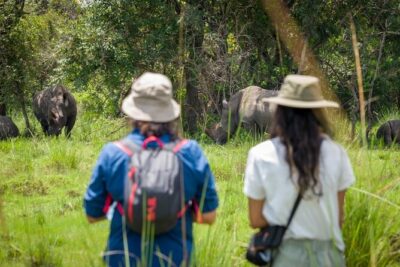
Ziwa Rhino Sanctuary gives you a rare chance to walk toward rhinos rather than watch them from a safari vehicle. A ranger leads the roughly 90-minute trek, explains Uganda’s rhino restoration work, and may position you around 10 meters from the animals.
That distance feels close enough for excellent photographs, though you must follow the ranger’s instructions carefully. The rhinos are protected in the sanctuary with the long-term goal of returning them to Murchison Falls National Park.
After Ziwa, you continue to Murchison Falls. The top-of-the-falls excursion shows the Nile squeezed through a seven-meter gorge before dropping 43 meters. The water, noise, and spray make this more than a quick viewpoint stop.
A first game drive follows lunch. Murchison gives you a strong introduction to Uganda’s savanna wildlife, with possible sightings of elephants, lions, leopards, buffaloes, giraffes, warthogs, antelopes, and many birds.
Day 3: Murchison game drive and Nile boat safari
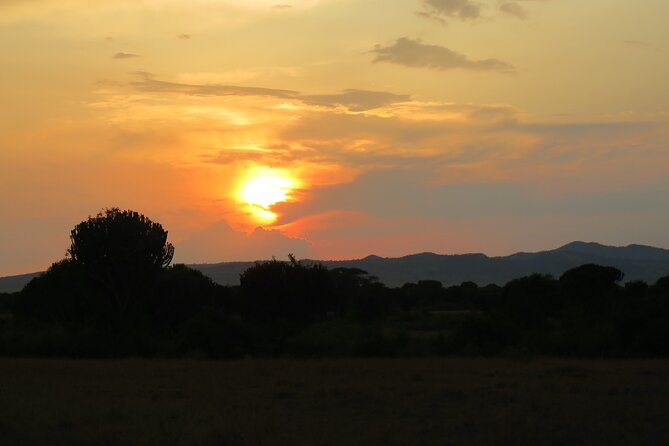
An early game drive is worth the lost sleep. Cooler morning hours are more comfortable, and predators may still be returning from their night activity. Murchison is also known for a large giraffe population, so you have a good chance to see these animals across the open grassland.
The afternoon boat safari travels along the Nile toward the base of the falls. This is one of the strongest parts of the route because the river concentrates wildlife along the banks.
You might see hippos in the water, crocodiles on the shore, elephants coming to drink, buffaloes, antelopes, monitor lizards, and large numbers of water birds. A boat gives you a lower viewpoint than a game vehicle, and the riverbank often provides closer animal encounters.
The boat ride lasts about three hours. If the top-of-the-falls walk was not completed the day before, it can be done after the cruise. The two activities work well together: one shows the Nile’s power from above, and the other places you among its wildlife.
A completely different kind of day out in Uganda:
- 3 Hours Guided Cycling Tour Across Lake Victoria
★ 5.0 · 151 reviews - Kampala’s Best Experience walking tour
★ 5.0 · 137 reviews - Lake Victoria Island Cycling Tour from Kampala
★ 5.0 · 120 reviews - Kampala Walking City Tours (Women Guided)
★ 5.0 · 115 reviews
Day 4: The long road to Kibale Forest
Day 4 is mainly a transfer day. The drive to Kibale takes about six and a half to seven hours, including breaks and lunch in Fort Portal.
This is the first clear reminder that Uganda is a large country and that wildlife parks are not next door to one another. Bring snacks, keep water within reach, and expect the road journey to take much of the day.
Kibale is known as East Africa’s primate center. The forest setting changes the mood completely from Murchison’s open savanna. Tall trees, dense vegetation, butterflies, and birds prepare you for the next day’s chimpanzee activity.
Day 5: Chimpanzees and the Bigodi community walk
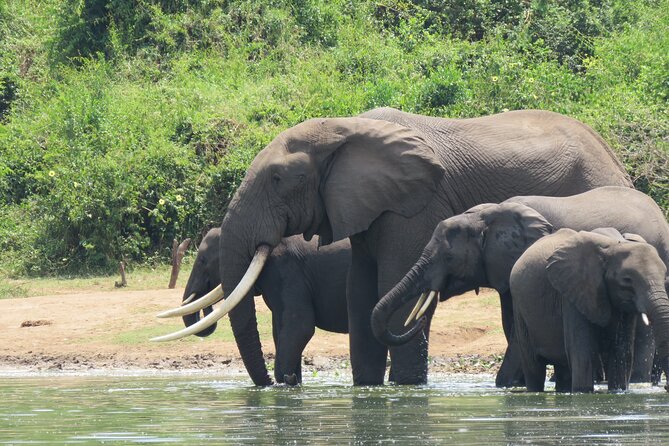
Chimpanzee tracking begins after breakfast at Kibale headquarters. The trek usually lasts around three and a half hours, and the minimum age is 15.
The chimpanzees are habituated to people, but this does not make the encounter predictable. You may walk over rough ground for some time before the group is located. Once you find them, the guide can help you watch their behavior and point out other primates.
Kibale has 13 primate species, so you might see several kinds of monkeys during the walk. The forest is also a good place for birding and butterflies, making the trek worthwhile even when chimpanzee sightings take time.
In the afternoon, Bigodi Wetlands adds a different kind of walk. Wooden boardwalks cross the swamp, and a community guide leads the way. The large blue turaco is one of the birds to watch for, while sitatunga antelope may appear in the wetland vegetation.
The Bigodi activity is valuable because it links wildlife protection with local community work. You are not simply passing through a forest. You are also seeing how a community-led wetland project supports nature and tourism.
Day 6: Crater views and the Kasenyi plains
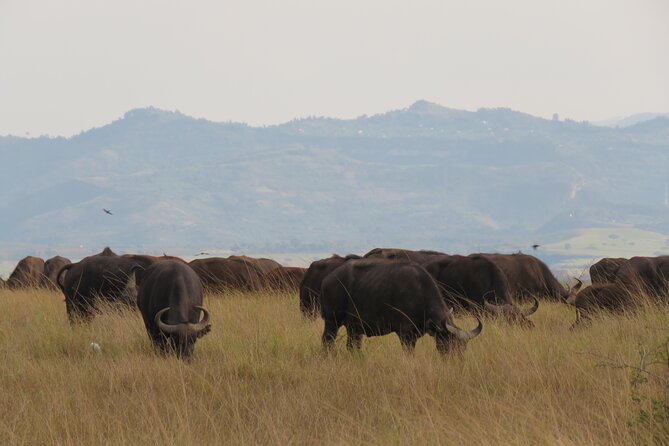
A two-hour drive brings you to Queen Elizabeth National Park. Before checking in, you take the Explosion Crater Drive, which lasts about two and a half hours.
The crater route provides broad views over volcanic formations and crater lakes. It is a scenic change from the forest and savanna drives, with plenty of chances to stop for photographs. A ranger explains how this section was formed.
The afternoon game drive heads across the Kasenyi plains. Lions, leopards, elephants, buffaloes, and antelopes are possible sightings. The pop-up roof on the 4×4 is useful here, giving you a clear view above the vehicle without leaving the safety of the car.
The drive usually lasts two and a half to three hours. A Uganda Wildlife Authority ranger joins your driver-guide, giving you two sets of eyes and local field knowledge. Still, wildlife follows its own schedule. The route offers strong chances, not promises.
Day 7: Sunrise wildlife and the Kazinga Channel
The morning game drive begins around 6:30 am. You can eat breakfast before or after it, depending on the day’s arrangement.
Early light improves the scenery, but the real reason to go early is animal behavior. Predators may be finishing their night hunt, and the cooler air can make the drive more comfortable.
You may also have the option of joining lion tracking research connected with the Uganda Carnivore Project and Uganda Wildlife Authority. This activity focuses on collared lions and their habits. Ask your operator in advance how this fits into your schedule and whether it carries an extra cost.
The afternoon Kazinga Channel cruise is another major highlight. The two-hour boat ride follows the waterway connecting Lake Edward and Lake George, with hippos, crocodiles, elephants, buffaloes, antelopes, monitor lizards, and many water birds.
You can use the larger Uganda Wildlife Authority boat or pay more for a smaller boat. The larger boat offers good viewing, while the smaller option may appeal if you want a more intimate setup. Either way, the channel’s concentration of hippos and elephants makes this a productive wildlife outing.
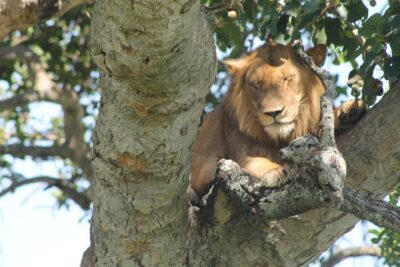
Day 8: Tree-climbing lions in Ishasha
The drive to Ishasha takes about two and a half to three hours. This southern section of Queen Elizabeth National Park is known for lions resting in trees, a behavior that gives the area its special appeal.
A three-hour game drive with a wildlife ranger searches for the tree-climbing lions, along with topi, elephants, leopards, buffaloes, and other antelopes. The sighting is not guaranteed, so keep your expectations sensible. The drive remains worthwhile for the broader wildlife mix.
After lunch near Savannah Resort, you continue for about two and a half hours toward Ruhija in Bwindi. This is another long day with a game drive and a major transfer, so it can feel tiring before the gorilla trek.
Day 9: Gorilla trekking in Bwindi
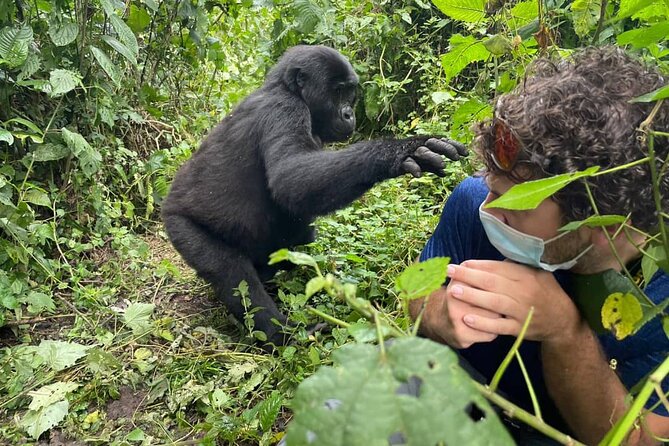
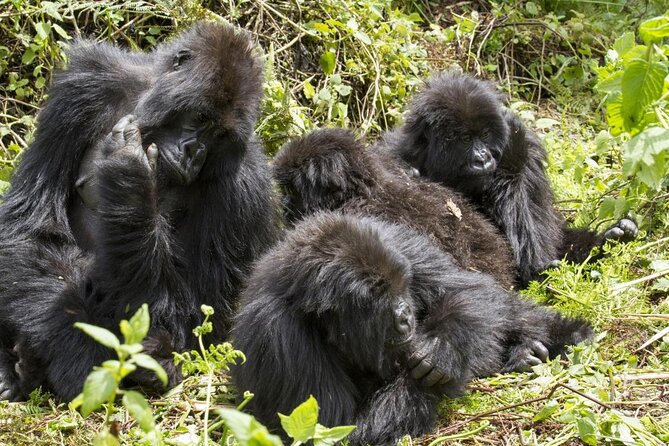
Gorilla trekking is the trip’s most expensive and physically demanding activity. After a safety briefing, you enter Bwindi Impenetrable Forest with the trek length determined by the location of the gorilla family.
The walk may be short or last all day, though the stated typical duration is three to five hours. You receive up to one hour with the gorillas once the group is found. The terrain can be steep, wet, and rough, so the moderate fitness requirement should be taken seriously.
Wear sturdy boots, light trousers, a long-sleeved shirt, a hat, and a light rain jacket. Cotton garden gloves can help when gripping vegetation. Carry a small daypack, and ask the driver to help arrange a porter. A walking stick can also help on uneven ground.
The minimum age for gorilla trekking is 15. The $700 permit is not part of the tour price, so confirm that it has been secured before you finalize your plans.
After the trek, you continue toward Lake Bunyonyi, around two and a half hours away. Depending on timing and lodge arrangements, you may spend another night near Bwindi instead.
Day 10: A slower day at Lake Bunyonyi
Lake Bunyonyi gives you breathing room after the gorilla trek. Its many islands and hills create a calm setting for a day with less road travel and no required major activity.
The lake activities are optional and not included. You can choose a dugout canoe, motorboat, swimming, island visits, hiking, biking, birdwatching, village visits, or cultural activities. Since these cost extra, ask for prices before choosing.
I like this pause in the route. A safari with constant early starts can become tiring, and Bunyonyi lets you recover before the final park. It also gives you the choice of doing very little, which is sometimes the right choice after a demanding forest trek.
Day 11: Lake Mburo’s smaller scale
The drive to Lake Mburo takes about five hours, with lunch in Mbarara. Leaving around 7:00 am should give you time for a game drive before check-in.
Lake Mburo feels different from Murchison and Queen Elizabeth. The park is smaller, with rolling savanna and plenty of antelopes. You may see eland, giraffes, Burchell zebras, and an occasional leopard.
A one and a half to two-hour game drive leads to Rwakobo Rock Lodge, which sits on a ridge overlooking the park. The setting provides a pleasant final safari base and a change from the larger national parks.
Day 12: Salt lick walk, Equator stop, and return
The final morning starts with a 90-minute nature walk led by a Uganda Wildlife Authority ranger. The trail leads to a hide near a salt lick, where wildlife may gather.
A walking activity is a fitting end to the trip because it brings you out of the vehicle and closer to the small details of the park. Sightings are possible, but the pace is slower and less predictable than a game drive.
After lunch, you stop at the Equator for photographs before continuing to Kampala or Entebbe. Arrival is expected in the late afternoon, but you should avoid scheduling a tight onward flight because road conditions and park activities can affect timing.
Guides, vehicles, and the feel of a private safari
The private format means only your group participates. That gives you more control than a shared departure, especially when you want extra time with animals or need a break during a long drive.
Your main vehicle is a 4×4 with a pop-up roof. It is suited to game viewing, though you should still expect a lot of time on the road. The driver-guide is central to the experience, handling navigation, wildlife spotting, park routines, and day-to-day timing.
Guides named Sula and Gerald have led this type of Ugandan route, and Jesse and Tom have helped organize detailed plans and lodge changes. If guide choice matters to you, ask about availability rather than assuming a particular person will be assigned.
Who should book this Uganda safari?
This route suits you if you want Uganda’s major wildlife experiences in one trip and prefer a private vehicle. It is especially strong for first-time visitors who want gorillas but also care about chimpanzees, shoebills, rhinos, boat safaris, and classic game drives.
It may not suit you if you want a slow holiday with luxury lodging and short transfers. The schedule is active, the gorilla trek can be hard, and several days involve five to seven hours on the road.
The tour has free cancellation up to 24 hours before the start time. The stated minimum age is 14 for the overall activity, but gorilla trekking and chimpanzee tracking have stricter age rules, with minimum ages of 15.
Should you book it?
Book this safari if you want a broad, activity-filled introduction to Uganda and you value having a private guide and vehicle. The combination of Mabamba, Ziwa, Murchison, Kibale, Queen Elizabeth, Bwindi, Bunyonyi, and Mburo is unusually varied.
Before paying, confirm the final total with the $700 gorilla permit and $200 chimpanzee permit added. Then decide if you can handle the long drives and physical walks. If the answer is yes, this is a strong value for a private Uganda safari, with the gorillas as the headline and enough other wildlife to make the entire route worthwhile.
FAQ
What is included in the $2,959 price?
The price includes lodging, meals listed in the schedule, private ground transportation, airport transfers, an English-speaking driver-guide, park entry fees, game drives, walking activities, bottled water during drives, the Nile and Kazinga Channel boat safaris, rhino tracking, the top-of-the-falls activity, Mabamba Wetlands, and Bigodi Wetlands.
Are the gorilla and chimpanzee permits included?
No. The gorilla trekking permit costs $700, and the Kibale chimpanzee tracking permit costs $200. Both are separate from the tour price.
What time does the tour start?
The stated start time is 6:00 am. Pickup is offered from a hotel in Kampala or Entebbe.
Is this a private tour?
Yes. Only your group participates, using a private 4×4 safari vehicle with a pop-up roof.
What is the minimum age?
The overall activity lists a minimum age of 14. Gorilla trekking and chimpanzee tracking have a minimum age of 15.
How physically demanding is the safari?
A moderate fitness level is recommended. Gorilla trekking can last three to five hours or become an all-day hike over rough terrain, and the itinerary also includes walking at Ziwa, Bigodi, and Lake Mburo.
Are activities at Lake Bunyonyi included?
No. Swimming, canoeing, motorboat rides, island visits, hiking, biking, birdwatching, village visits, and cultural activities are optional and not included in the tour cost.
What is not included besides the primate permits?
The stated exclusions include the visa fee, fizzy and alcoholic drinks, laundry, and personal and travel insurance.
Just added around Uganda
- Uganda: 1-Day Murchison Falls Park Safari with Boat cruise★ 5.0 · 3 reviews
- Uganda Equator Tour From Kampala To Kayabwe★ 5.0 · 4 reviews
- Uganda: 2-Day Murchison Falls Park Safari with Boat cruise★ 5.0 · 7 reviews
- 7 Days Fort Portal Culture Tour Western Uganda★ 5.0 · 6 reviews
- Coffee Tour Experience★ 5.0 · 5 reviews
- Hot Springs Exploration and Hike Craters★ 5.0 · 6 reviews
- Experience Chimpanzee Trekking in Budongo Forest★ 4.5 · 7 reviews
- 2 Days Abseiling and Rock Climbing★ 5.0 · 8 reviews
Safari, compared.
3 Days gorilla trekking Safari tour in Uganda
Read our review →
8-Day Murchison Falls, Chimp and Epic Gorilla Trekking Safari
Read our review →
3 Days Murchison Falls Adventure Wildlife Safari Uganda Tour
Read our review →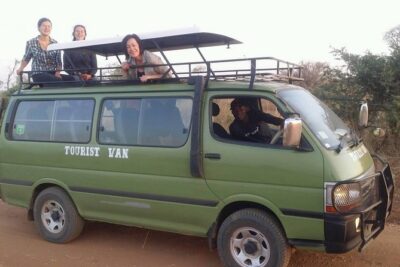
3-Day Ultimate Big Five Safari – Murchison Falls & Rhinos
Read our review →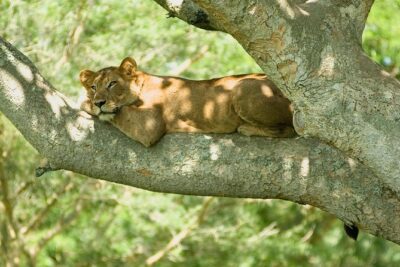
2 Days Safari To Queen Elizabeth National Park with Cruise
Read our review →
5-Day Pearl of Africa Chimps and Gorilla Trekking Safari
Read our review →